As the owner of a translucent fiberglass panel supplier, I get at least a handful of questions a week from sunroom homeowners, contractors, and designers alike: Can translucent fiberglass panels actually hold up in a sunroom? For years, the go-to sunroom roofing and wall materials have been clear glass, rigid polycarbonate, or even heavy acrylic—but there’s a growing tide of people switching to fiberglass, and I wanted to break down why that’s not just a trend, but a practical choice that solves a lot of the pain points of other materials. I’ve spent 12 years working with these panels, testing them in everything from residential backyards to commercial equestrian sunrooms, and I’m here to tell you yes—translucent fiberglass panels are not only usable in sunrooms, they’re often better than the alternatives for most applications. Translucent Fiberglass Panel
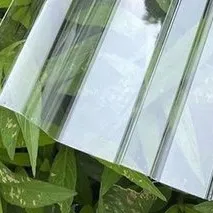
First, let’s get one common misconception out of the way: translucent fiberglass is not the same as the cheap, yellowing fiberglass panels you might remember from old garden sheds. The industry has come a long way in resin formulation and UV stabilization over the last two decades. When we talk about the panels we supply, these are made with a woven fiberglass mat core encapsulated in a modified thermoset resin, most often polyester or acrylic-modified polyester (AMPE) that’s treated with a UV inhibitor on the outer surface. That UV coating is what prevents the yellowing that made old fiberglass look foggy after a single season in direct sun. I’ve seen panels from top suppliers last 15+ years in full-sun environments—something that’s hard to say for uncoated polycarbonate, which can turn cloudy in as little as 7 years in harsh sunlight, or even standard glass, which scratches and breaks too easily for sunroom use, especially in areas with frequent hail or falling branches.
Now, let’s talk about the core needs of a sunroom, because that’s where the utility of these panels really shines. Sunrooms are meant to be bright, like a space that feels connected to the outdoors, but they also need to balance light with heat control, durability, and cost. Let’s compare that to what translucent fiberglass delivers. Most people choose a sunroom to enjoy natural light without the stuffiness of a closed room or the harsh glare of unfiltered sun. Clear glass lets in full, unfiltered sunlight, which can heat a sunroom to 10-15 degrees hotter than the outside temperature on a 90-degree day—we see that data all the time from energy auditors we work with. Translucent fiberglass panels, on the other hand, diffuse that light. They scatter the sun’s rays as they pass through, so instead of harsh, direct sunlight that creates glare on floors, furniture, and windows, you get soft, even light that feels like being under a canopy of dappled shade, not standing in midday sun. That diffusion also cuts down on heat gain: our panels, for example, have a solar heat gain coefficient (SHGC) of around 0.45, compared to clear double-pane glass which is around 0.85. For sunrooms that are used year-round, that means less need for air conditioning in summer, and actually, the panels retain more heat in winter, making the space more usable in cooler months too.
But heat and light aren’t the only factors. Durability is huge for sunrooms, especially if you live in an area with extreme weather. Translucent fiberglass panels have a high impact resistance rating—they’re roughly 200 times more impact-resistant than standard glass, and much more resistant to cracking than rigid polycarbonate. We had a client in Texas last year whose sunroom panels withstood a Category 2 hurricane with 110 mph winds and a hail storm that left dents in their metal roof, while the adjacent polycarbonate panels on their neighbor’s sunroom cracked in multiple places. Fiberglass also doesn’t scratch easily, which is a plus if you have kids, pets, or live near a construction site where small debris might hit the roof. It’s also lightweight—each panel weighs about half as much as the same size of glass, which means less structural load on your sunroom frame, no need to reinforce existing framing to hold the roof, and easier installation, which cuts down on labor costs. I’ve had contractors tell me they can install a 10×20 sunroom roof in a day with fiberglass, compared to two days for glass, because there’s no heavy lifting and fewer parts to handle.
Of course, no material is perfect, and translucent fiberglass has its limitations—something I always tell potential customers to be clear about, so they don’t have unrealistic expectations. The first thing is that translucent means just that: it’s not transparent. If you want a sunroom where you can clearly see the mountains or your backyard view for aesthetic reasons, fiberglass isn’t the right choice for you. The diffusion that makes the light soft also obscures distant views, so you’ll get a bright, light-filled space, but not a panorama. That’s why a lot of our clients use fiberglass for the roof and upper walls of sunrooms, and leave lower walls with clear glass or windows—they get the best of both worlds: soft, glare-free light overhead, and unobstructed views where they want them. The second limitation is that some low-quality fiberglass panels can still yellow over time, but that’s only if you skip the UV stabilization. All the panels we supply have a 10-year warranty against yellowing and UV degradation, which is more than enough for most homeowners. Another thing to note: fiberglass is not as chemically resistant as some other materials, so if you live near a coastal area with salt air, you’ll want to make sure you get panels that are specifically treated for salt resistance, which most good suppliers offer, including us.
Let’s talk about real-world use cases, because the best way to prove something works is to show it being used. I’ve worked with everything from small backyard sunrooms for retirement homes to large commercial sunrooms for restaurants and even botanical garden conservatories. There’s a restaurant in Florida that installed translucent fiberglass panels in their patio sunroom three years ago, and they’ve cut their summer AC bills by 30% because of the lower heat gain. A retirement home in Ohio used the panels for their common area sunroom last year, and residents love that there’s no glare when they’re playing cards or reading, something they complained about with the old glass panels they had before. We also did a sunroom for a client in Colorado, where hailstorms are common—they had a big hailstorm last spring, and they said their fiberglass panels didn’t get a single crack, while the polycarbonate panels on their shed had multiple large cracks.
Another big benefit that a lot of people overlook is customization. Translucent fiberglass panels can be cut to any size, shaped into curves (perfect for rounded sunroom roofs that are popular in modern designs), and even tinted or colored if you want a specific aesthetic. You can get frosted white, light blue, even light gray panels, depending on how much light you want and what style fits your home. We can also add insulation to the back of the panels for extra energy efficiency, which is great for sunrooms that are used as extra living space year-round.
Now, I know some of you are thinking: what about fire safety? That’s a valid concern for any building material, especially for a sunroom that’s part of your home. The good news is that most translucent fiberglass panels are fire-resistant, with a Class A fire rating, which is the highest possible rating for building materials, meaning they won’t contribute to the spread of fire. We supply panels that meet all national building code requirements for sunrooms and patio covers, so you don’t have to worry about compliance.
At the end of the day, the question of whether translucent fiberglass panels work for sunrooms boils down to what you want from your sunroom. If you want a bright, glare-free, durable, low-maintenance space that cuts energy costs and stands up to the weather, the answer is a resounding yes. If you want unobstructed views above all else, then clear glass or a different material is the better choice. But for most homeowners, contractors, and designers, fiberglass hits that sweet spot between performance, cost, and usability.
As a supplier, I’ve worked hard to refine our panel offerings over the years, listening to what customers need and addressing the pain points that made people wary of fiberglass in the past. We don’t cut corners on UV stabilization or resin quality, because I’ve seen too many customers get stuck with cheap panels that yellow or crack in just a few years. Our team also works directly with contractors and homeowners to help design the right sunroom setup, whether that means using fiberglass for the roof, upper walls, or full sunroom enclosure. If you’re thinking about building or replacing your sunroom panels, I’d encourage you to reach out—we can walk through your specific needs, answer any questions, and help you find the right solution that fits your home and budget.
When I started this business 12 years ago, most people thought fiberglass was only for sheds and industrial use. Now, it’s one of the most popular materials for sunrooms, and it’s easy to see why. It solves so many of the problems that come with traditional sunroom materials, and it’s only getting better as the technology improves. Sunrooms are supposed to be a place to relax, enjoy the outdoors, and escape the everyday, and translucent fiberglass panels help you do that without the headaches of glare, high energy bills, or constant maintenance. If you’re ready to explore your options for sunroom panels, don’t hesitate to connect with our team to discuss your project details and get a customized quote.
Polycarbonate Corrugated Sheet References:
- American Architectural Manufacturers Association. (2021). Standard for Fiberglass Reinforced Thermosetting Plastic Panels for Building Applications.
- Energy Star. (2022). Sunroom Energy Efficiency Guide.
- National Association of Home Builders. (2020). Durability of Building Materials for Exterior Residential Applications.
- Florida Solar Energy Center. (2021). Performance of Glazing Materials in Extreme Climate Conditions.
Handan Donghong Fiberglass & Color Steel Manufacturing Co., Ltd.
Handan Donghong Fiberglass & Color Steel Manufacturing Co., Ltd. is one of the most professional translucent fiberglass panel manufacturers and suppliers in China, featured by quality products and good price. Please rest assured to wholesale durable translucent fiberglass panel made in China here and get quotation from our factory. Customized orders are welcome.
Address: South side of the road, 2,000 meters west of the intersection of Nanhuan Road and Airport Road, Hanshan District, Handan City.
E-mail: leo@dhpcfrp.com
WebSite: https://www.dhfrpsheet.com/
