Let’s cut to the chase—if you’re deep in the renewable energy game, you’ve probably heard the terms “solar energy storage” and “solar thermal storage” thrown around like confetti at a green energy summit. When I started my company as a solar energy storage supplier back in 2018, I mixed these two up so bad I once quoted a thermal storage unit to a homeowner who wanted to keep their fridge running after sundown. The result? A humbling call where the homeowner laughed and said, “I don’t need to heat my hot tub 24/7— I need power when the sun’s not shining.” That mistake taught me a hard lesson: these two systems might sound like they belong to the same solar family, but they’re about as different as a toaster and a Tesla. Today, let’s break them down like we’re sitting at a kitchen table over coffee, no jargon, no corporate fluff—just real talk from someone who’s installed, troubleshooted, and argued with both in the field. Solar Energy Storage System
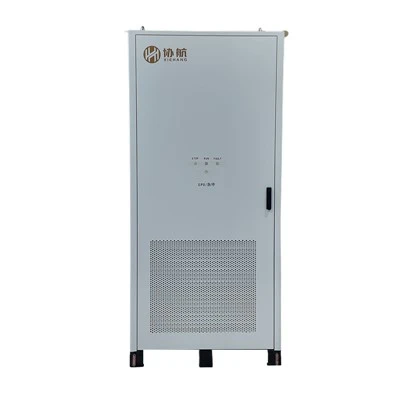
First, let’s nail the core definition because that’s where all the confusion starts. When someone says “solar energy storage,” we’re talking about capturing the electricity generated from solar panels (the kind that make your phone charge, your lights turn on, and your AC cool your home) and storing that electricity for later. My team and I deal with this every day—whether it’s a 5 kWh battery for a small cabin or a 500 kWh system for a grocery store that wants to cut their utility bills. Solar thermal storage, on the other hand? That’s about capturing the heat from the sun—think the warmth you feel when you step outside on a sunny day—and storing that heat, usually to warm water or air. It’s a whole different beast, and the way they work, what they’re used for, and how they fit into a home or business’s energy plan are night and day.
Let’s start with how each system works, because that’s where the mechanics go from “similar” to “total opposite.” Solar panels that feed into energy storage systems are photovoltaic (PV) panels, right? They use semiconductors (usually silicon) to turn sunlight into direct current (DC) electricity. Now, most homes and the grid run on alternating current (AC), so first you need an inverter to convert that DC power to AC. From there, instead of sending that AC straight to your home, it gets sent to a battery bank—lithium-ion these days, mostly, because they’re efficient and last a long time. The batteries hold that electricity until you need it: say, when the sun goes down at 7 PM, or on a cloudy day when your panels aren’t cranking out enough power. Last month, we installed a system for a family in Denver who has a newborn—they use their stored solar power to run the baby monitor, the fridge, and their space heater all night long, so they don’t have to rely on the utility company’s expensive peak-time rates. That’s solar energy storage in action: it’s electricity for every part of your home that plugs in.
Solar thermal storage? Let’s take a typical residential solar thermal system, the kind you see on rooftops of houses in Arizona or California. Instead of PV panels, you have solar thermal collectors—flat, dark metal boxes or long tubes that absorb sunlight and turn it into heat. Usually, there’s a fluid inside those tubes: water, or sometimes an antifreeze mix so it doesn’t freeze in cold climates. The fluid gets hot as the sun hits the collectors, and that heat is either used immediately or stored. Where? Most often in a well-insulated hot water tank. The tank has a heat exchanger that transfers the heat from the fluid to the water in the tank, so you have stored hot water for your showers, your dishwasher, your laundry, and even to heat your home’s air if you have a radiant heating system. A friend of mine in Tucson has this system—she can take a 10-minute hot shower in January without even thinking about the utility bill, because the sun heated the water during the day, and the insulated tank keeps it warm all night. No electricity here, not really—just heat, stored as heat, not as electrons moving through wires. That’s the biggest mechanical difference, right there: one stores electricity, the other stores heat.
Next up: use cases, because that’s what matters to the people who are actually buying these systems. If you’re a homeowner wanting to cut your electric bill and not lose power when the grid goes down (like when a tree falls on a line during a storm), solar energy storage is your guy. It works for almost anything that uses electricity: kitchen appliances, lighting, EV chargers, medical devices if you need them. Commercial businesses love it too—grocery stores, for example, can use stored solar power to keep their refrigeration running during peak grid hours, when utility rates are highest. We recently worked with a small café in Chicago that installed a 10 kWh solar energy storage system and a 5 kW PV array; they cut their monthly electric bill by 60% because they use stored power during the 4 to 8 PM window when the utility charges the most. It’s versatile, flexible, and tailored to all the electrical needs we have every day.
Solar thermal storage, on the other hand? It’s hyper-specific. Its only job is to make hot water, and sometimes heat for your home’s space heating. You can’t charge your laptop with it, you can’t run your dryer on it, you can’t power your garage door opener. Its entire purpose is thermal energy—heat for water, mostly. For some people, that’s perfect. If you live in a sunny area, don’t mind spending a little extra on a hot water system, and want to reduce your home’s gas bill (since most hot water heaters run on natural gas), solar thermal is a great add-on. But it’s not a replacement for electrical storage. Let’s use a real example: a client in Phoenix came to me last year saying they wanted to go 100% off-grid. They had a solar thermal system for their hot water, but no storage for electricity, so they still relied on the grid for their fridge, lights, and AC. We ended up installing a 15 kWh solar energy storage system paired with their existing PV panels, and now they’re fully off-grid—no more utility bills, no more blackouts. If they’d only gone with solar thermal, they’d still be stuck paying for electricity, because that system can’t store the kind of power they need to run their home’s appliances.
Now, efficiency and cost—two big factors that everyone cares about when choosing a system. Let’s talk efficiency first. Solar energy storage systems: the PV panels are about 15 to 22% efficient at turning sunlight into electricity, right? The inverter loses a little power when converting DC to AC (usually around 5 to 10%), and the batteries lose a small amount when charging and discharging (another 5 to 10%). So overall, the system is roughly 10 to 15% efficient at turning sunlight into usable electricity. That’s not terrible, especially when you consider it works for all your electrical needs.
Solar thermal storage is way more efficient at its specific job. The collectors can be 50 to 80% efficient at turning sunlight into heat—because they’re not limited by the semiconductor physics that hold PV panels back. If you just need hot water, solar thermal will waste less sunlight to make that heat than a solar PV plus energy storage system would. But here’s the catch: that efficiency is only for hot water or space heating. If you later decide you want to power a TV or an EV, solar thermal can’t help you at all. So efficiency is a misleading metric here—you have to compare it to what you actually need the energy for.
Cost is where things get even more interesting, and where I’ve seen a lot of buyers get tripped up. Let’s take a typical 1,500 sq ft home. A basic solar energy storage system (5 kW PV array + 10 kWh lithium-ion battery) will run about $15,000 to $20,000 after federal tax incentives in the U.S. That might sound like a lot, but over 10 to 15 years, it will cut your electric bill by hundreds of dollars a month, and it adds value to your home—we’ve seen that home value increases by 3 to 5% for homes with solar storage systems.
A basic solar thermal storage system (for hot water only, no space heating) is cheaper upfront—usually $5,000 to $8,000 after incentives. But you have to remember: it only heats water. If you want to cover your electric needs (lights, appliances, AC), you still need to install PV panels, which add another $10,000 to $15,000. So total cost to cover all your home’s energy needs is actually similar: $15,000 to $23,000 for solar PV plus storage, vs. $15,000 to $23,000 for solar PV plus a solar thermal water heater. But the payback period is different. For most people, solar energy storage has a payback of 7 to 12 years, while adding a solar thermal water heater has a shorter payback (3 to 5 years) only if you’re replacing a gas or electric water heater. But again—if you want backup power, or to charge an EV, or to run electrical appliances, solar thermal doesn’t help you at all. It’s a one-trick pony.
Another big difference: scalability and compatibility with the grid. Solar energy storage systems are super scalable. We can add more batteries to a system as your needs grow—if you buy a 10 kWh system now and later get an EV, you can upgrade to 20 kWh or 30 kWh without replacing the entire setup. They also work with net metering in most areas: when your panels produce more electricity than you use during the day, you can send that back to the grid for credit, or store it in your batteries for later, instead of selling it back at a low rate. For businesses, large-scale solar energy storage systems can even participate in grid services—like providing backup power for the local grid during peak demand, and getting paid for that. That’s a huge revenue stream for commercial clients, something solar thermal can never do because it stores heat, not electricity.
Solar thermal storage is also scalable, but only in its own niche. You can add more collectors to heat more water or heat a larger space, but it can’t be used for grid services, it can’t charge an EV, and it doesn’t give you backup power for electrical outages. During the Texas blackouts in 2021, for example, homes with solar energy storage could run their fridges and lights for days, while homes with only solar thermal had no power at all when the grid went down—they could take hot showers, but they had no electricity to pump the water or power the storage system. That’s a critical difference for anyone who lives in an area with frequent outages.
Wait, let’s talk about maintenance, too, because that’s something most people don’t think about until something breaks. Solar energy storage systems are pretty low-maintenance. The PV panels just need an occasional wipe down (if you live in a dusty area like Arizona), the inverter might need a checkup every 5 to 10 years, and the lithium-ion batteries last 10 to 15 years before they need replacing. We rarely get calls for emergency maintenance on these systems—most issues are minor, like a loose wire or a dirty panel.
Solar thermal storage systems? They have more moving parts that can wear out. The fluid in the collectors needs to be flushed every 3 to 5 years, the seals on the hot water tank can leak, the pump that circulates the fluid might break, and the collectors can get damaged by hail or falling debris. A few years ago, I had a client in Colorado whose solar thermal system’s pump failed in the middle of winter, and they had no hot water for a week because parts took 10 days to ship. That’s a headache that doesn’t happen with solar energy storage systems, which have fewer moving parts and more readily available parts.
Let’s wrap this up with a real-world example that sums it all up, because numbers and definitions can only take you so far. Last year, I worked with two neighbors in a subdivision in Orlando: the Millers and the Garcias. The Millers wanted to cut their monthly electric bill and have backup power for when the grid went down during hurricane season (which is frequent in Florida). They installed a 6 kW PV array and a 12 kWh solar energy storage system. Today, their electric bill is $20 a month (down from $180 before), and during Hurricane Ian last fall, their power stayed on for 5 full days—they ran their fridge, their AC, and their kid’s Xbox the whole time. The Garcias, on the other hand, wanted to save on their gas hot water bill (they had a natural gas water heater that cost $60 a month to run). They installed a solar thermal storage system for hot water, cutting their gas bill to $10 a month. But when Hurricane Ian hit, their power went out for 4 days, and they had no electricity to pump the heated water from the collectors to their tank—so they couldn’t take hot showers, and their washing machine and dryer didn’t work. The Garcias later came back to us and added a 5 kWh solar energy storage system to their home, because they realized they needed more than just hot water savings.
At the end of the day, neither system is “better”—they’re just different tools for different jobs. If your main goal is to heat water and cut gas costs, solar thermal storage is a solid choice. But if you want to save on your entire electric bill, have backup power during outages, power your home’s appliances, or even make extra money from grid services, solar energy storage is the system you need. As a solar energy storage supplier, we don’t push one over the other—we listen to what our clients actually need, and help them pick the right system for their lifestyle, their budget, and their location.
If you’re sitting here thinking, “I have no clue which system is right for me,” that’s totally normal. We get calls every day from homeowners and businesses confused about the two, and we love walking through your specific situation, answering your questions, and giving you honest advice—no sales pitch, no confusing jargon, just real info from people who live and breathe this stuff. Whether you’re a small family looking to keep the lights on during a storm, a business wanting to cut operating costs, or someone just starting to dip their toes into solar, we’re here to help. Reach out to our team to set up a free consultation, and let’s figure out how to make solar work for you.
Home Battery Storage References
- International Energy Agency. (2023). Solar Thermal vs. Photovoltaic Storage: A Comparative Analysis. IEA Renewable Energy Technology Collaboration Programme.
- U.S. Department of Energy. (2022). Home Energy Storage System Efficiency and Cost Report. DOE Office of Energy Efficiency & Renewable Energy.
- Solar Energy Industries Association. (2021). Grid Resilience: The Role of Solar Energy Storage During Extreme Weather Events. SEIA.
- National Renewable Energy Laboratory. (2023). Scalability and Compatibility of Distributed Energy Storage Systems. NREL Technical Report NREL/TP-5400-84562.
Zhejiang Xiehang New Energy Equipment Co., Ltd.
As one of the most professional solar energy storage system manufacturers and suppliers in China, our products have good reputation in the market. Please erst assured to wholesale custom made solar energy storage system from our factory. If you have any enquiry about cooperation, please feel free to email us.
Address: No.5 Hechen Road, Zhouwangmiao Town, Haining, Jiaxing City, Zhejiang Province, China
E-mail: dan.wu@xiehang.net
WebSite: https://www.shineonpower.com/
