Hey everyone, it’s Jake from the Cabinet Lock team here. Let’s cut to the chase—if you’ve ever spent 10 minutes fumbling with a tiny key for a kitchen cabinet, office filing drawer, or even that closet full of random tools you only remember exist when you need something last minute, you’ve probably wondered: are combination cabinet locks actually worth the hype, or just another overcomplicated gadget that’s more trouble than it’s worth? As a supplier who’s spent years testing these things (and fielding 100+ customer questions a week about them), I’m here to break this down like we’re chatting over a coffee—not some stuffy product manual. Cabinet Lock
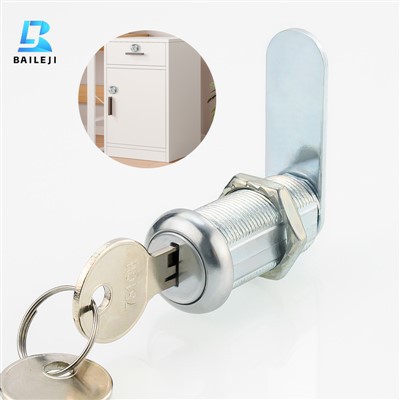
First, let’s get one thing straight: “easy to use” is subjective, right? For my 65-year-old dad, anything with more than two buttons is a nightmare, but for my 12-year-old niece who’s got a TikTok draft open while she tests locks, she’s all about quick, no-key stuff. That said, when we compare combination cabinet locks to the other main type—keyed locks—combination ones come out on top for most people, and I’m not just saying that ‘cause we sell ’em. Let’s start with the basics of how these things work, ’cause understanding the nitty gritty makes the ease make sense. Most combination cabinet locks are either the twist-dial style (like a small padlock that fits on a cabinet’s hasp) or the push-button digital style (you punch in a code on a keypad to pop it open). No tiny, easy-to-lose keys—for me, that’s the biggest win right out the gate. How many times have you grabbed a snack from the pantry, realized you locked the junk food cabinet after yourself, and had to hunt for the key that you definitely put “right here” two seconds ago? I’ve lost three keys in the last month alone, and that’s not even exaggerating.
Wait, but hold on—are there cases where combo locks are not easy? Absolutely. If you get a cheap, no-name push-button lock with sticky buttons or a dial that skips numbers, yeah, that’s a pain. But that’s not the combo lock’s fault—it’s the cheap manufacturing. Over the years, we’ve tested dozens of models, and the good ones (the ones we stock) are designed with ease front and center. Let’s talk about set-up first, because if setting it up takes 20 steps and a degree in engineering, that’s not easy. Our top-selling twist-dial combo locks take 30 seconds max to set a code: you pull the shackle, turn it to the set position, dial your number, and click it back. No tools, no extra parts—just you and the lock. The digital ones? We’ve made ours with a “one-touch code set” too, so you don’t have to dive into a manual for 10 minutes. That’s a big one for office managers who need to set up locks for 20 filing drawers in an afternoon—they don’t have time to babysit a complicated install.
Another big plus for ease: no more hoarding keys. If you run a small café, you don’t want 15 different keys for your supply cabinets, your liquor cabinet, the fridge that holds staff snacks. One combination lock can work for multiple people, too—wait till you hear this: some of our digital combo locks let you program up to 10 different user codes. So if your baristas need to restock the coffee beans, they use their own code, and you can change it whenever you want without rekeying anything. That’s way easier than tracking down each key and making copies, which gets messy fast. I remember when we first switched all our office cabinets to combo locks a few years back; our admin team stopped sending me 5 texts a week asking “where’s the key to the printer drawer?” Total game changer.
But let’s be real—combination locks aren’t perfect, and I’m not gonna sugarcoat it. The most common complaint we get is from people who forget their own code. We’ve all been there, right? You set a code for your home garage cabinet, think it’s 1234, and it’s actually 1243, and now you’re staring at it like “did I just invent a new way to waste 15 minutes?” But here’s the thing—keyed locks have the same problem if you lose the key, and honestly, I’ve forgotten a combo more times than I’ve lost a key. Wait, no—wait, let me count: last year I forgot a combo twice, lost a key three times. So it’s close, but here’s the fix: most good combo locks (ours included) have a reset button or a way to retrieve the code if you forget, not just a “call a locksmith” option. The cheap ones? You have to break ’em, which is a hassle. But ours? We give you a little card with the master code when you buy, or you can reset it in 10 seconds with a small paperclip. No panic.
Another thing that affects how easy they are to use: where you’re installing them. If you’re putting a lock on a metal cabinet that’s super tight, a twist-dial combo works great, but if you’re putting one on a flimsy wooden cabinet, you might need a different style. Wait, we also make adhesive combination locks, right? The kind you stick on the inside of a cabinet door so you don’t have to drill holes. That’s a big one for renters who can’t make holes in their kitchen cabinets, or parents who don’t want to drill 10 baby-proof locks all over their playroom. Those adhesive ones? Super easy to apply—just peel and stick, and set your code in 2 seconds. No tools, no mess.
Let’s compare to keyed locks for a second, because that’s the real test. A lot of people swear by keys, but when you’re dealing with high-traffic areas, keys are a nightmare. I talked to a school administrator last month who switched all their classroom supply cabinets to combo locks last year. She told me that before, they’d have 2-3 lost keys a semester per classroom, and that’s 30 minutes of a teacher’s time hunting for a new key every time. Now, she just programs a new code when a teacher leaves, and it’s done. No extra keys to order, no lock changes. For her, the ease is obvious. What about at home? My sister has two little kids, so she uses combo locks on her cleaning supply cabinet and her pantry (the one with the “adult only” snacks). She says it’s way easier than keeping track of 5 tiny keys, and her kids can’t figure out the code even if they stare at the dial for an hour. That’s a win-win.
But wait, what about security? Because if a lock is easy to use but easy to break, that’s not worth it. I get that. So let’s be clear: good combination cabinet locks aren’t flimsy. The ones we sell are made of heavy-duty steel, so they’re not gonna snap if someone yanks on them. The dial ones have 10,000 possible code combinations, so it’s not like someone can guess it in 2 seconds. The digital ones have touchscreen buttons that are water-resistant, so they work in laundry rooms or garages where things might get a little wet. We’ve tested them for dropping, for slamming doors, for being left outside in the rain—they hold up. So you don’t have to sacrifice security for ease, which is the biggest myth I hear about combo locks.
Another small thing that makes them easy: no more carrying stuff. If you’re going from your office desk to the filing cabinet down the hall, you don’t have to grab your key out of your pocket. Just punch in your code, done. I do this all the time— I keep my office supplies in a locked drawer with a combo lock, and when I need to grab a lock sample for a customer, I just walk over, punch the code, and go. No digging through my bag for keys. It’s a tiny thing, but it adds up.
Wait, but what about older people or people who aren’t tech-savvy? I know that’s a concern. We’ve designed a lot of our locks with simple dials or big, raised buttons on the digital ones so they’re easier to see and press. My dad tried our basic twist-dial lock on his garage cabinet last year, and he texted me an hour later saying “this is way easier than the old key that I lost last week.” He’s not a tech guy—he’s a retired mechanic who’s still using a flip phone—so if he can figure it out, pretty much anyone can. The cheap knockoff locks with tiny buttons or confusing dials are the ones that are hard, but you get what you pay for here.
Let’s address some real user pain points that I’ve heard over and over. One common one: “what if the batteries die on the digital combo lock?” Okay, that’s a thing, but most of our digital ones have a low-battery indicator, so you get a warning a week or two before it dies. And if it does die? You can use a 9V battery to jump it from the outside so you can get into your cabinet to replace the batteries. No being locked out for days, which is a huge relief. With a keyed lock, if you lose the key and it’s your only one, you’re stuck calling a locksmith anyway. So that’s a wash, honestly.
Another one: “I don’t want to set a complicated code.” Fair enough. All our locks let you set a 2, 3, or 4-digit code, so you can make it as simple as 0000 or 1234, whatever works. You don’t have to make it some crazy long code like a bank pin unless you want to. For a home pantry, a simple 3-digit code is more than enough, and you don’t have to stress about forgetting it. For a liquor cabinet in a restaurant, you can make it a 4-digit code for a little extra security. It’s up to you, which is part of why they’re easy to customize to your needs.
At the end of the day, combination cabinet locks are easy to use if you get a good one, and way less hassle than keyed locks for most people. The biggest barriers people have are either old habits (they’ve used keys their whole life and don’t wanna switch) or bad experiences with cheap combo locks from the hardware store that fall apart or have confusing setups. That’s why we put so much work into designing locks that are simple to set, easy to operate, and hold up over time—’cause we’ve been where you are, staring at a locked cabinet and thinking “is this really worth the effort?”
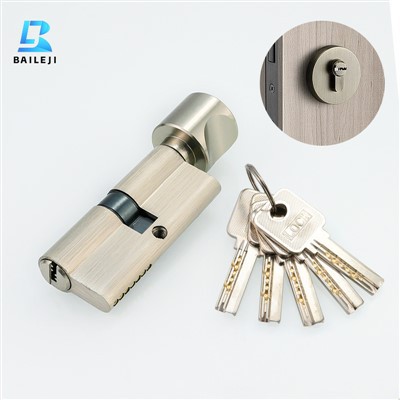
If you’re tired of hunting for keys, dealing with lost copies, or switching out locks every time someone leaves, give combination cabinet locks a shot. No, they’re not perfect—nothing is—but they solve so many of the tiny, annoying problems that come with keyed locks, and they’re way easier to use than most people give them credit for. If you’re looking to upgrade or just have questions about which lock works best for your cabinets (whether it’s home, office, or commercial), hit us up to chat. We’re here to help you find something that’s easy to use, secure, and fits your needs. Don’t overcomplicate it—say goodbye to lost keys and hello to locks that actually make life a little simpler.
Cam Lock References
- National Fire Protection Association. (2022). Commercial Lock Security and Usability Guidelines. NFPA.
- Consumer Product Safety Commission. (2021). Child-Resistant Cabinet Locks: Usability Testing Report. CPSC.
- Locksmith Association of North America. (2023). Comparative Analysis of Combination vs Keyed Cabinet Locks. LANA.
- Small Business Administration. (2022). Office Supply Organization Tools for High-Traffic Workspaces. SBA.
- U.S. Department of Housing and Urban Development. (2021). Renter-Friendly Security Solutions for Residential Spaces. HUD.
Suzhou Baileji Intelligent Lock Industry Co., Ltd.
As one of the most professional cabinet lock enterprises in China, we’re featured by quality products and good price. Please rest assured to buy discount cabinet lock in stock here and get pricelist from our factory. Also, customized service is available.
Address: 3rd Floor, Building 9, Shengteng Industrial Park, No. 8 Ruyuan Road suzhou, jiangsu, China
E-mail: vip@bailejilocks.com
WebSite: https://www.bailejilock.com/
