Hey everyone, it’s Jake here—been in the plywood game for over 12 years now, and I get asked this question more times than I can count: “Can plywood be used outdoors in hot and humid climates?” And honestly? It’s not a one-word answer. I’ve seen guys use the wrong plywood for back decks in Florida that started warping in 6 months, and I’ve seen solid projects in Singapore that’ve held up for a decade—so let’s break this down like we’re shooting the breeze at a jobsite, not writing a college paper. Plywood
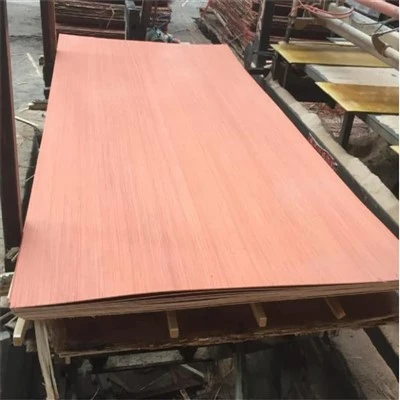
First off, let’s cut through the marketing buzz. Not all plywood is made the same, especially when we’re talking about places where humidity hits 80%+ most months and temps dip below 70°F only briefly. I learned this the hard way early on—had a customer in Miami buy interior-grade plywood for a poolside cabana he built, and by the end of summer, the edges were swollen, the veneers were peeling like a sunburn, and he was screaming my ear off. Turns out, interior plywood uses urea-formaldehyde glue that basically melts when it’s exposed to consistent moisture and heat. That’s the big mistake people make—they think plywood’s just wood sheets glued together, but the glue is the whole game-changer for outdoor use in tough climates.
Let’s talk about the actual science here, plain and simple. Wood is porous, right? It absorbs and releases moisture like a sponge, and in hot, humid places, that cycle is nonstop—morning dew, midday humidity, afternoon rain showers, then the sun baking it all day. If the glue holding the layers of plywood isn’t water-resistant, those layers separate. The two main glues you need to know here are exterior-grade phenolic resin and marine-grade adhesive. Phenolic is the workhorse for most outdoor projects in hot, humid climates—it’s designed to withstand prolonged moisture and temp swings without breaking down. Marine-grade is a step above, made for constant submersion, like boat hulls, but it’s overkill for a backyard deck or fence—you’ll pay way more for it than you need to.
Here’s the thing about hot and humid climates specifically: it’s not just moisture. The heat speeds up the breakdown of materials way faster than, say, a dry, cold climate. That’s why a project in Arizona (dry heat) can use a lower-grade outdoor plywood, but a project in Bangkok or Houston? You need that extra resistance. The high temps make the glue cure and degrade quicker if it’s not formulated for it, and the humidity means the wood never fully dries out—so it’s in a constant state of expansion and contraction. I’ve seen interior plywood last 2 years in Houston’s humidity, while the same material in Arizona would last 5—climate matters more than most folks realize.
Now, let’s get practical—what do you actually need to do if you’re using plywood outdoors in these climates? First, pick the right grade. Don’t waste your money on interior, don’t overspend on marine unless you’re building a dock. Look for the APA stamp—they test plywood for durability, and their exterior-rated plywood is made for exposure to the elements, not just occasional rain. I always recommend my customers in humid climates go with a minimum of 7-ply plywood, too. More layers mean less space for moisture to get in between the sheets, and the cross-directional layup keeps it from warping as bad when it expands and contracts. Thickness matters too—for decks, go 5/4 or thicker; for fences, ½-inch minimum. Skimp on thickness and you’ve got a wobbly fence that’ll rot faster.
But here’s the secret that most DIYers and even some contractors miss: plywood isn’t “set it and forget it” even if it’s outdoor-grade. In hot, humid climates, you have to finish it properly, and do it right away. As soon as you install the plywood—whether it’s a deck, a shed floor, a patio cover—seal it. I’ve seen guys leave new plywood exposed for a week while they wait for stain, and by then, the edges are already starting to swell from humidity. Use a good oil-based primer first, then two coats of exterior paint or a penetrating oil sealant. Skip the latex paint if you can—oil-based sticks better to wood that’s expanded from humidity, and it creates a tighter barrier against moisture. For decks, a semi-transparent stain lets the wood breathe a little, which is important because if it can’t release moisture, it’ll start to rot from the inside out.
Wait, let’s talk about common mistakes I see every single day. Number one: not leaving gaps between sheets. Wood expands in humidity, so if you butt plywood edges tight together, they’ll push against each other and warp, or even crack the finish. Leave a 1/8-inch gap between every sheet—more than enough room for expansion, no chance of buckling. Number two: fastening it wrong. Use corrosion-resistant screws, not regular nails. In humid air, regular nails rust, and when they rust, they expand, pushing the plywood up and creating gaps where moisture gets in. I like stainless steel or hot-dipped galvanized screws—they last way longer, even in salt air if you’re near the coast. Number three: not elevating it off the ground. If you’re using plywood for a shed floor, don’t lay it directly on dirt. Put it on concrete blocks or a treated wood frame so air can circulate underneath. That keeps moisture from wicking up from the ground, which is the fastest way to rot plywood in a hot, humid climate.
I’ve got a story from a customer in Kuala Lumpur that sticks with me. A few years back, he built a backyard patio cover using exterior 7-ply phenolic plywood, sealed it with two coats of oil-based stain, and left 1/8-inch gaps between all the sheets. That was 8 years ago, and he still texts me photos every few months—it’s holding up perfect. No warping, no peeling, no rot. Compare that to another customer in Miami who used the same plywood, but butted the sheets tight, nailed it with regular nails, and skipped sealing. He texted me 6 months later showing the edges all swollen and the finish cracking. Same material, same climate, totally different results.
Now, let’s address the big question some folks have: can I use pressure-treated plywood? Yeah, but not all pressure-treated plywood is made for the same thing. There’s ACQ pressure treatment that’s common now, which is better for the environment than old CCA, but it can be corrosive to fasteners. If you go pressure-treated, make sure to get the kind rated for ground contact, and use the right fasteners to match. But I still recommend exterior phenolic plywood for most projects—no chemical treatment needed, and it’s just as resistant to moisture.
Wait, what about if you’re on a tight budget? I get it—jobs add up quick. You don’t have to splurge on marine-grade, but don’t skimp on grade or finish. A good exterior plywood, sealed properly, will last 5-7 years in a hot, humid climate, and maybe longer if you re-stain it every 2 years. If you go cheap on interior plywood, you’re looking at 1-2 years before it’s garbage. I’d rather a customer pay a little more upfront for the right material than have to replace it a year later—been there, done that, seen the headaches.
Also, if you’re building something that’s going to get constant direct sun, like a roof or a fence line, pick a plywood with a higher veneer grade, like CDX. The “C” grade veneers are a little rougher, but the “D” is only on the back, so the front is solid, and CDX is made to withstand sun and moisture way better than lower grades. I always stock CDX for my customers in tropical climates— it’s reliable, it’s affordable, and it works when you do the finish right.
Let me wrap this up like I would a chat by the jobsite trailer. So, to answer the original question: yes, plywood can absolutely be used outdoors in hot and humid climates—but only if you pick the right type, install it correctly, and finish it properly. You can’t just grab the first sheet at the home center and hope for the best, not when it’s 90 degrees and 85% humidity outside. The glue is key, the installation details matter, and the finish is non-negotiable.
If you’re planning a project—whether it’s a deck, shed, fence, or patio cover—and you’re not sure which plywood is right for your climate, hit me up. I’ve been doing this long enough to know what works and what doesn’t in all kinds of hot, humid places, and I can help you pick the right material without wasting money on stuff you don’t need. Don’t let a bad plywood job ruin your outdoor space—let’s get it right the first time.
And hey, no pressure, just if you need a hand with anything, my team and I are here to help. We’ve got all the grades you need, from workhorse CDX to heavy-duty phenolic, and we ship anywhere you need, so you can get the right stuff without running all over town. Catch you later!
H20 Beam References
- APA – The Engineered Wood Association. (2022). Performance Standards and Policies for Structural Use Panels (PS 2-22).
- Forest Products Laboratory. (2021). Wood Handbook: Wood as an Engineering Material. U.S. Department of Agriculture.
- International Code Council. (2023). International Residential Code (IRC) Chapter 6: Wall Covering, Roof Covering, and Sheathing.
- Marine Board. (2020). Wood for Marine Applications. U.S. Department of Commerce.
Lisen Wood Industrial Shouguang Co., Ltd.
Lisen Wood Industrial Shouguang Co., Ltd. is one of the most professional plywood manufacturers and suppliers in China, featured by quality products and low price. Please rest assured to buy discount plywood from our factory. Welcome to contact us for quotation and free sample.
Address: Nongsheng road, shouguang,shandong province, china
E-mail: liuzhenxi@lisenboard.com
WebSite: https://www.sglswood.com/
