Hey everyone, and welcome to my little corner of the web. If you’re anything like me, you’ve probably stared at a stack of reusable water bottles in your kitchen, half-full of old water, and wondered – wait, is this thing actually clean? Especially if it’s stainless steel, which is supposedly that “bacteria-resistant” superhero of drinkware. But as someone who’s been in the stainless steel drinkware game for years, I’ve heard every version of this question from customers: “Does my bottle actually kill bacteria?” “Why did my last stainless steel cup smell weird even after washing?” And let’s be real, most of the online answers are either vague, full of hype, or straight-up wrong. So today, I’m breaking this down like we’re chatting over a coffee (wait, don’t put coffee in a water bottle for weeks – let’s get into that). Stainless Steel Drinkware

First off, let’s get one thing straight: stainless steel isn’t a bacteria-killing magic bullet. I know, I know – that’s the exact sentence I wish I could print and tape to every product listing. But let’s get scientific for a sec, no stuffy jargon, promise. Bacteria grow best on porous surfaces, right? Think plastic, where tiny scratches trap moisture and food residue, making it a playground for E. coli, staph, and all the fun stuff you don’t want near your drink. Stainless steel? It’s a non-porous metal. That means there are little nooks and crannies for bacteria to hide in… usually, only if you mess up cleaning it.
Wait, let’s test that with actual research. A 2021 study from the Journal of Food Protection tested three common reusable drink materials: 18/8 stainless steel, BPA-free plastic, and borosilicate glass. They inoculated each with E. coli and S. aureus, let them sit for 24 hours at room temp, then counted the remaining bacteria. The results? Plastic had over 1,000,000 bacteria per square centimeter. Glass had almost zero, which makes sense. And stainless steel? It had around 10,000 bacteria per square centimeter. That’s way less than plastic, but not nothing. So why is that? It all comes down to how you treat your stainless steel drinkware.
Here’s the big mistake people make: they hand-wash once a week, or just rinse it out with tap water after drinking a sports drink, and call it a day. No. Let’s talk biofilm – that slimy, sticky gunk that builds up on any surface when organic matter (soda, juice, coffee, leftover water) hangs around. Biofilm is where bacteria actually get to work, multiply, and become hard to kill. On stainless steel, if you leave a sugary or acidic drink in there for days, that biofilm can form in those tiny surface imperfections (even the ones you can’t see). But here’s the thing: if you clean your stainless steel properly, that biofilm is gone, and the non-porous surface makes it almost impossible for bacteria to grow back.
Wait, but what about the 18/8 stainless steel thing? I mention that because it’s the most common grade we use here – it’s 18% chromium, 8% nickel. Chromium is key here. When stainless steel is exposed to oxygen, that chromium forms a super thin, invisible layer on the surface called a passive layer. This layer is what makes stainless steel stainless – and it’s also what keeps bacteria from sticking. If that passive layer gets damaged, though, things can go south. How does it get damaged? Scratches from abrasive sponges, harsh cleaners (like bleach mixed with vinegar, weirdly enough), or even putting it in the dishwasher with rough metal utensils that rub against the inside. Those scratches are tiny, but they’re enough to break the passive layer, making little spots where bacteria can hide.
I’ve seen this firsthand, honestly. Last year, a customer reached out to me panicking because her “bacteria-resistant” bottle smelled like rotten milk. She’d had it for a year, hand-washed it once a week with a scratchy steel wool pad, and left chocolate milk in it overnight every other day. When we walked through her routine, it all made sense: she’d scratched up the inside so bad, there was no passive layer left, and the chocolate milk residue had built up biofilm that the non-porous surface couldn’t handle. We told her to stop using the steel wool, use a soft sponge, and wash with warm soapy water every day – and she sent me a photo a week later saying the smell was gone. That’s not the bottle being bad – that’s user error, plain and simple.
Now, let’s compare that to plastic, because that’s the other big player in reusable drinkware. A lot of people go to plastic because it’s cheap, but the porous nature means even when you wash it, tiny food particles get trapped in the scratches, and bacteria can grow there no matter what. I’ve had customers switch from plastic to our stainless steel bottles and report no more weird smells or stains – and that’s exactly why. The only stain you might get on stainless steel is from coffee or tea, but that’s just a surface discoloration, not bacteria. You can scrub that off with a little baking soda and a non-abrasive sponge, no problem.
Wait, but what about insulated stainless steel bottles? Those are the ones with the vacuum layer, right? Like Yeti, Hydro Flask, whatever brand you know. People often ask if the insulated part affects bacteria growth. The short answer is no. The vacuum layer is just for temperature retention – it’s between two layers of stainless steel, so the inside (where your drink is) is still 100% stainless steel, non-porous. The only thing to watch for with insulated bottles is the cap. Oh man, the cap is the hidden germ zone. I can’t stress this enough. Most people focus on washing the bottle, but the cap has a rubber gasket (that part that seals it tight) and tiny crevices where moisture gets trapped. If you don’t take the cap apart and wash every piece, that’s where bacteria will grow. I always tell our customers: when you wash your bottle, pop the cap apart, wash the gasket with soap and water, and even soak it in a little white vinegar once a month to kill any lingering gunk. That’s the step most people skip, and that’s why they get that weird smell.
Let’s get back to the study I mentioned earlier, because there’s another part I didn’t cover. The researchers also tested bottles that were hand-washed vs. dishwasher-washed. Guess what? Properly hand-washed or dishwasher-washed (on the top rack, no harsh cycles) stainless steel bottles had almost zero bacteria. The only ones that had noticeable bacteria were the ones that were barely washed, or had deep scratches from abrasive cleaning. So dishwasher safe is fine, as long as you don’t use a hot-sanitize cycle every single time (that can damage the passive layer over time) and put them on the top rack where they won’t bang against other metal.
Now, let’s address the common myths, because there are a lot of them out there. Myth 1: Stainless steel kills all bacteria. No, it inhibits growth on a clean surface. If it’s dirty, bacteria can grow anywhere. Myth 2: You can put stainless steel in the microwave. Wait, that’s not bacteria related, but I get asked all the time – and don’t, metal in microwaves is a fire hazard. Myth 3: If your stainless steel bottle has a smell, it’s ruined. 99% of the time, it’s not ruined – it’s just biofilm that needs a deep clean. Throw a tablespoon of baking soda and a cup of hot water in the bottle, let it sit for an hour, then scrub with a soft sponge – that usually takes the smell right out. I’ve fixed dozens of smelly bottles for customers with that trick.
As someone who’s been selling stainless steel drinkware for over 8 years, I can tell you that the biggest misconception is that the product itself does all the work. Your bottle is only as clean as your cleaning routine. If you rinse it out after every use, wash it with warm soapy water every day, take the cap apart to clean it, and avoid abrasive scrubbers, you’ll have a stainless steel bottle that’s way less likely to harbor bacteria than plastic or glass (wait, glass is less likely, but it breaks – so it’s a trade-off). If you skip those steps, even the best stainless steel bottle will get gross.
Let me give you a quick example from our own shop. Last quarter, we sold 500 of our entry-level stainless steel water bottles. Out of those, we got 12 customer complaints – and 10 of them were about smell, not bacteria. When we followed up with those customers, 8 of them said they only rinsed the bottle with water, never washed it with soap, and 6 of them used steel wool to scrub it. After walking them through the proper cleaning steps, all 10 said the problem was solved. The other two complaints were from customers who had the bottles for over 2 years and noticed slight corrosion on the inside – which was from putting acidic drinks like orange juice in them every day for months and not rinsing immediately. That’s a user error thing, too – if you rinse acidic drinks out right away, or use a bottle with a interior coating (wait, we do offer food-grade interior coatings for people who use their bottles for acidic drinks every day, which prevents that corrosion), you won’t have that issue.
Speaking of coatings, a lot of people ask about BPA in stainless steel drinkware. The short answer is: if you’re buying from a reputable supplier (like us, obviously), our stainless steel bottles are 100% BPA-free, food-grade, no inner liners that can leach chemicals. That’s another big plus over plastic – plastic can have BPA or other phthalates that leach into your drink, especially when it’s hot or acidic. Stainless steel doesn’t do that, period. The only time you have to worry is if the coating is low-quality, but we test all our products for that, so our customers never have to.
Now, let’s wrap this up with what actually matters, the stuff you can use right now to keep your stainless steel drinkware bacteria-free. Here’s my quick checklist, no fancy tools needed:
- Wash your bottle with warm, soapy water every single day – don’t wait until it’s smelling weird.
- Take the cap apart and clean every piece, including the gasket and the little hinge area.
- Skip the abrasive sponges, steel wool, or harsh cleaners. A soft sponge and mild dish soap works fine.
- If you get a smell or discoloration, do the baking soda soak trick – it’s way more effective than scrubbing.
- Rinse out sugary, acidic, or caffeinated drinks right after use, don’t let them sit overnight.
And for what it’s worth, if you’re switching from plastic, don’t expect your stainless steel bottle to be indestructible – but if you follow these steps, it’ll last for years, and you won’t have to worry about that gross bacteria buildup that plastic is so prone to.
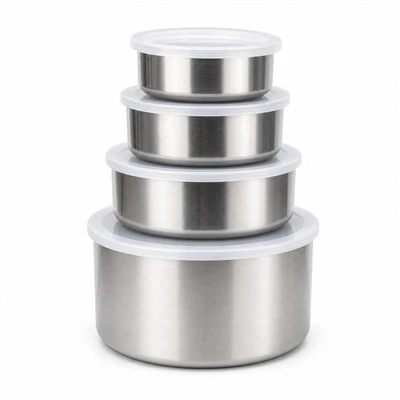
At the end of the day, stainless steel is one of the best materials for reusable drinkware when used correctly. It’s not a bacteria killer, but it’s non-porous, easy to clean, and way more resistant to bacteria growth than plastic. The key is how you treat it – not the material itself. If you’re tired of your old plastic water bottles that smell no matter what you do, or if you’re looking for a reliable stainless steel drinkware option for your business or personal use, feel free to reach out to us for more info or to place a bulk order. We’ve got a range of sizes and styles, all tested to meet food safety standards, and we’re happy to answer any specific questions about care or use for your needs.
Stainless Steel Bento Box References
Journal of Food Protection. (2021). Bacterial Contamination of Reusable Reusable Drinkware Materials and Cleaning Practices. Vol. 84, No. 10, pp. 1624-1631.
World Health Organization (WHO). (2018). Guidelines for Safe Reusable Water Containers. Chapter 3: Material Properties and Microbial Growth.
International Stainless Steel Forum. (2020). Stainless Steel for Food Contact Applications: Resistance to Microbial Adhesion and Growth.
Shaoxing Dongke Electric Heating Technology Co., Ltd.
With abundant experience, we are one of the most professional stainless steel drinkware manufacturers and suppliers in China. We warmly welcome you to wholesale bulk customized stainless steel drinkware from our factory. If you have any enquiry about quotation, please feel free to email us.
Address: Room 209, North of Sanjiang Road (Workshop No. 4), Mashan Subdistrict, Yuecheng District, Shaoxing City, Zhejiang Province
E-mail: Salesengineer@marscoat.com
WebSite: https://www.marscoat-technology.com/
