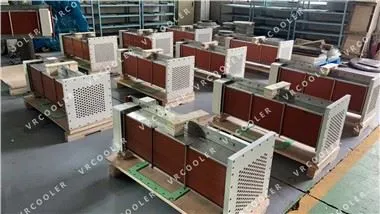
As a seasoned professional in the Thermal Generator Cooling industry, I’ve witnessed firsthand the critical role that proper cooling system adjustment plays in the efficient operation of thermal generators. In this blog post, I’ll share some insights on how to adjust the cooling capacity of a thermal generator cooling system, drawing on my experience as a supplier in this field. Thermal Generator Cooling
Understanding the Basics of Thermal Generator Cooling Systems
Before delving into the adjustment process, it’s essential to have a solid understanding of how thermal generator cooling systems work. These systems are designed to remove excess heat generated by the thermal generator, ensuring that the generator operates within its optimal temperature range. The cooling capacity of a system refers to its ability to dissipate heat effectively, and it’s typically measured in kilowatts (kW) or British Thermal Units per hour (BTUs/h).
There are several types of cooling systems used in thermal generators, including air-cooled, water-cooled, and hybrid systems. Air-cooled systems use fans to blow air over the generator’s components, transferring heat away from the system. Water-cooled systems, on the other hand, circulate water through a series of pipes or radiators to absorb and dissipate heat. Hybrid systems combine the features of both air-cooled and water-cooled systems, offering a more efficient and flexible cooling solution.
Factors Affecting Cooling Capacity
Several factors can affect the cooling capacity of a thermal generator cooling system. Understanding these factors is crucial for making accurate adjustments and ensuring the system operates at peak efficiency.
Generator Load
The load on the thermal generator is one of the primary factors that determine the amount of heat generated. As the load increases, so does the heat output, requiring the cooling system to work harder to maintain the optimal temperature. When adjusting the cooling capacity, it’s essential to consider the generator’s current load and anticipate any future changes in load.
Ambient Temperature
The ambient temperature of the surrounding environment also plays a significant role in the cooling system’s performance. In hot climates, the cooling system may need to work harder to dissipate heat, while in cold climates, the system may be able to operate more efficiently. When adjusting the cooling capacity, it’s essential to take into account the local climate and seasonal variations.
Cooling System Design
The design of the cooling system itself can also affect its cooling capacity. Factors such as the size and type of the cooling components, the layout of the system, and the efficiency of the heat transfer process all play a role in determining the system’s overall performance. When adjusting the cooling capacity, it’s essential to ensure that the system is designed and installed correctly to meet the specific requirements of the thermal generator.
Methods for Adjusting Cooling Capacity
There are several methods for adjusting the cooling capacity of a thermal generator cooling system. The most appropriate method will depend on the type of cooling system, the specific requirements of the generator, and the operating conditions.
Adjusting Fan Speed
For air-cooled systems, adjusting the fan speed is one of the simplest and most effective ways to control the cooling capacity. Increasing the fan speed will increase the airflow over the generator’s components, transferring more heat away from the system. Conversely, decreasing the fan speed will reduce the airflow and the cooling capacity.
Adjusting Water Flow Rate
In water-cooled systems, adjusting the water flow rate is a common method for controlling the cooling capacity. Increasing the water flow rate will increase the amount of heat that can be absorbed and dissipated by the system, while decreasing the water flow rate will reduce the cooling capacity. It’s important to note that adjusting the water flow rate should be done carefully to ensure that the system remains within its optimal operating range.
Modulating Cooling Tower Operation
For water-cooled systems that use cooling towers, modulating the operation of the cooling tower is another effective way to adjust the cooling capacity. Cooling towers work by evaporating water to remove heat from the system. By adjusting the airflow and water spray rate in the cooling tower, it’s possible to control the amount of evaporation and, therefore, the cooling capacity of the system.
Adding or Removing Cooling Components
In some cases, it may be necessary to add or remove cooling components to adjust the cooling capacity of the system. For example, adding additional fans or radiators to an air-cooled system can increase the cooling capacity, while removing a cooling tower or reducing the size of a water pump can decrease the cooling capacity. However, this method should be used with caution, as it may require significant modifications to the system and could affect its overall performance.
Steps for Adjusting Cooling Capacity
When adjusting the cooling capacity of a thermal generator cooling system, it’s important to follow a systematic approach to ensure that the adjustments are made accurately and safely. Here are the general steps involved in the adjustment process:
Step 1: Assess the Current Cooling Capacity
The first step is to assess the current cooling capacity of the system. This can be done by measuring the temperature of the generator’s components, the flow rate of the cooling medium (air or water), and the power consumption of the cooling system. By comparing these measurements to the system’s design specifications, you can determine whether the cooling capacity is sufficient or if adjustments are needed.
Step 2: Identify the Factors Affecting Cooling Capacity
Once you’ve assessed the current cooling capacity, the next step is to identify the factors that are affecting it. This may involve considering the generator load, ambient temperature, cooling system design, and any other relevant factors. By understanding these factors, you can determine the most appropriate method for adjusting the cooling capacity.
Step 3: Select the Appropriate Adjustment Method
Based on the factors affecting the cooling capacity, select the most appropriate method for adjustment. This may involve adjusting the fan speed, water flow rate, cooling tower operation, or adding or removing cooling components. It’s important to choose a method that is compatible with the type of cooling system and the specific requirements of the generator.
Step 4: Make the Adjustments
Once you’ve selected the appropriate adjustment method, it’s time to make the adjustments. This may involve using control devices such as variable speed drives, valves, or dampers to adjust the fan speed, water flow rate, or cooling tower operation. It’s important to make the adjustments gradually and monitor the system’s performance closely to ensure that the cooling capacity is being adjusted correctly.
Step 5: Monitor and Evaluate the Results
After making the adjustments, it’s important to monitor and evaluate the results. This may involve measuring the temperature of the generator’s components, the flow rate of the cooling medium, and the power consumption of the cooling system. By comparing these measurements to the system’s design specifications and the previous measurements, you can determine whether the adjustments have been effective and if further adjustments are needed.
Importance of Regular Maintenance
In addition to adjusting the cooling capacity as needed, it’s also important to perform regular maintenance on the thermal generator cooling system to ensure its continued performance and reliability. Regular maintenance can help to prevent problems such as clogged filters, leaky pipes, and worn-out components, which can all affect the cooling capacity of the system.
Some of the key maintenance tasks for thermal generator cooling systems include:
- Cleaning or replacing air filters
- Inspecting and cleaning water pumps and pipes
- Checking and adjusting the coolant level and concentration
- Inspecting and lubricating fans and motors
- Testing and calibrating control devices
By performing regular maintenance on the cooling system, you can ensure that it operates at peak efficiency and extends its service life.
Conclusion
Adjusting the cooling capacity of a thermal generator cooling system is a critical task that requires careful consideration and attention to detail. By understanding the basics of thermal generator cooling systems, the factors affecting cooling capacity, and the methods for adjustment, you can ensure that the system operates at peak efficiency and provides reliable cooling for your thermal generator.

As a Thermal Generator Cooling supplier, we have the expertise and experience to help you optimize the cooling capacity of your thermal generator cooling system. Whether you need assistance with system design, installation, adjustment, or maintenance, our team of professionals is here to support you.
Atlas Copco If you’re interested in learning more about our thermal generator cooling solutions or would like to discuss your specific requirements, please don’t hesitate to contact us. We look forward to the opportunity to work with you and help you achieve optimal performance for your thermal generator.
References
- ASHRAE Handbook – HVAC Systems and Equipment
- Thermal Generator Manufacturer’s Manuals
- Cooling System Design Guidelines
Changzhou Vrcooler Refrigeration Co., Ltd.
Changzhou Vrcooler Refrigeration Co., Ltd. is one of the most professional thermal generator cooling manufacturers and suppliers in China, specialized in providing high quality aftermarket service. Please rest assured to buy high-grade thermal generator cooling for sale here from our factory. For price consultation, contact us.
Address: No. 18-69,Changwu Zhong Road, Wujin district, Changzhou, Jiangsu
E-mail: info@vrcooler.com
WebSite: https://www.vrcooler.com/
