Hey there! I’m a supplier of special transformers, and today I wanna chat about how we evaluate the electromagnetic compatibility (EMC) of these special transformers. Special Transformer

Let’s start with the basics. What the heck is electromagnetic compatibility anyway? Well, in simple terms, it’s all about how well a device can operate in an electromagnetic environment without causing interference to other devices and without being affected by the electromagnetic noise around it. For special transformers, which are often used in some pretty sensitive applications, getting the EMC right is super crucial.
First off, we look at the design stage. When we’re designing a special transformer, we’ve gotta think about a whole bunch of factors that can impact its EMC. One of the key things is the winding configuration. The way we wind the coils in the transformer can have a big effect on the electromagnetic fields it generates. For example, if we use a proper winding technique like interleaved winding, it can help to reduce the leakage inductance and the coupling between different windings. This, in turn, can minimize the electromagnetic interference (EMI) that the transformer might produce.
Another important aspect of the design is the core material. Different core materials have different magnetic properties, and these properties can influence the EMC of the transformer. For instance, some high – permeability core materials can help to contain the magnetic flux within the core, reducing the amount of magnetic field that leaks out into the surrounding environment. This is especially important in applications where there are other sensitive electronic components nearby.
We also pay close attention to the shielding. Adding a shield around the transformer can be a great way to block the electromagnetic fields from escaping. We usually use conductive materials like copper or aluminum for shielding. The shield acts as a barrier, redirecting the electromagnetic waves and preventing them from interfering with other devices.
Once the design is done, it’s time for some testing. There are several types of tests that we conduct to evaluate the EMC of our special transformers.
One of the most common tests is the radiated emissions test. In this test, we place the transformer in an anechoic chamber, which is a special room designed to absorb all the electromagnetic waves. We then measure the amount of electromagnetic radiation that the transformer emits over a certain frequency range. If the emissions are too high, it means that the transformer might cause interference to other devices in the vicinity.
Another important test is the conducted emissions test. This test measures the amount of electromagnetic interference that is conducted through the power lines or other conductive paths connected to the transformer. We use a device called a line impedance stabilization network (LISN) to measure the conducted emissions. If the conducted emissions exceed the limits set by the relevant standards, the transformer may need some modifications to reduce the interference.
We also perform immunity tests. These tests are designed to see how well the transformer can withstand the electromagnetic interference from external sources. For example, we might subject the transformer to a high – frequency electromagnetic field or a burst of electrical pulses to see if it can still operate normally. If the transformer malfunctions during these tests, it means that it’s not immune enough to the external electromagnetic interference.
Now, let’s talk about the standards. There are a bunch of international and national standards that govern the EMC of electrical and electronic equipment, including special transformers. For example, in Europe, the EN 55011 standard sets the limits for the electromagnetic emissions of industrial, scientific, and medical (ISM) equipment. In the United States, the FCC regulations also have requirements for the EMC of electrical devices.
As a supplier, we make sure that our special transformers comply with these standards. We have a team of experts who are well – versed in the EMC standards and testing procedures. They work closely with the design and manufacturing teams to ensure that every transformer we produce meets the required EMC criteria.
But it’s not just about meeting the standards. We also strive to go above and beyond to provide our customers with transformers that have excellent EMC performance. We understand that in some applications, like aerospace or medical equipment, even a small amount of electromagnetic interference can have serious consequences. So, we continuously invest in research and development to improve the EMC of our special transformers.
For example, we’re always looking for new materials and design techniques that can further reduce the electromagnetic emissions and improve the immunity of our transformers. We also collaborate with other industry experts and research institutions to stay up – to – date with the latest developments in EMC technology.
So, if you’re in the market for special transformers, you can trust us to provide you with products that have top – notch EMC performance. Whether you need a transformer for a high – precision measurement system or a sensitive communication device, we’ve got you covered.
Our transformers are not only designed to meet the strictest EMC standards but also to provide reliable and efficient performance in your specific application. We offer a wide range of special transformers, including custom – designed ones to meet your unique requirements.
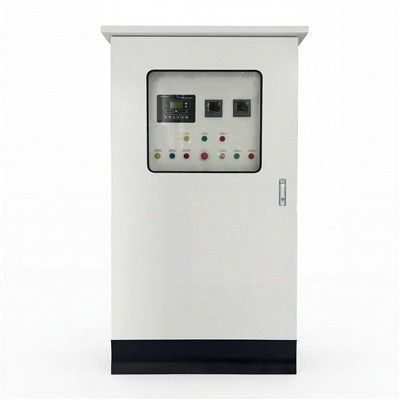
If you’re interested in learning more about our special transformers or have any questions about their EMC performance, don’t hesitate to reach out. We’d love to have a chat with you and discuss how our products can fit into your project. Whether it’s a small – scale experiment or a large – scale industrial application, we’re here to help you find the right transformer solution.
Dry Type Transformer References:
- "Electromagnetic Compatibility Engineering" by Henry W. Ott
- EN 55011 – Limits and methods of measurement of radio – frequency disturbances characteristics of industrial, scientific and medical (ISM) equipment
- FCC regulations on electromagnetic compatibility of electrical devices
Jiangsu Yuantong Electric Co., Ltd.
As one of the most experienced special transformer manufacturers and suppliers in China, we also support customized service. Please rest assured to wholesale bulk high quality special transformer in stock here from our factory. Contact us for more details.
Address: No. 202, Qiaogang Road, Xicheng Subdistrict, Hai’an City
E-mail: jsytdq@jsytelectric.com
WebSite: https://www.jsytelectric.com/
