Hey there! I’m a supplier of round hole perforated metal, and I get asked a lot about how to connect these panels together. It’s a crucial step in many projects, whether you’re building a fence, a decorative screen, or something else entirely. So, let’s dive into the different methods you can use to connect round hole perforated metal panels. Round Hole Perforated Metal

Welding
Welding is one of the most common and reliable ways to connect perforated metal panels. It creates a strong, permanent bond between the panels, making them suitable for heavy – duty applications.
Types of Welding
- MIG (Metal Inert Gas) Welding: This is a popular choice because it’s relatively easy to learn and can be used on a variety of metals. You’ll need a MIG welder, shielding gas (usually argon or a mixture of argon and carbon dioxide), and the appropriate welding wire. When welding perforated metal, it’s important to make sure the wire matches the metal of the panels. For example, if you’re using stainless steel panels, use stainless steel welding wire.
- TIG (Tungsten Inert Gas) Welding: TIG welding provides a high – quality, precise weld. It’s a bit more difficult to master than MIG welding but offers better control, especially for thinner metal panels. You’ll need a TIG welder, a tungsten electrode, shielding gas (usually argon), and filler metal if needed.
Tips for Welding
- Clean the Panels: Before welding, make sure the panels are clean. Remove any dirt, grease, or rust from the areas where you’ll be welding. This will ensure a better weld.
- Clamp the Panels: Use clamps to hold the panels in place while you’re welding. This will prevent them from moving and ensure a straight, even weld.
- Weld in Short Sections: To avoid warping the panels, weld in short sections and let the metal cool between each section.
Bolting
Bolting is another option for connecting perforated metal panels. It’s a non – permanent method, which means you can disassemble the panels if needed.
Steps for Bolting
- Mark the Holes: Use a marker to mark the holes on the panels where you want to insert the bolts. Make sure the holes on both panels align properly.
- Drill the Holes: Use a drill to create holes in the panels. The size of the holes should match the diameter of the bolts you’re using.
- Insert the Bolts: Place the bolts through the holes in the panels and add washers and nuts on the other side. Tighten the nuts using a wrench.
Advantages of Bolting
- Easy Installation: Bolting is relatively easy to do, even for those with limited DIY skills.
- Disassembly: If you need to make changes to your project later, you can easily remove the bolts and disassemble the panels.
Riveting
Riveting is a good option for connecting perforated metal panels when you need a strong, permanent connection but don’t want to use welding.
Types of Rivets
- Solid Rivets: These are the most traditional type of rivets. They’re made of a single piece of metal and are installed using a rivet gun. Solid rivets provide a very strong connection.
- Blind Rivets: Blind rivets are used when you can only access one side of the panels. They’re easy to install and are available in a variety of sizes and materials.
Steps for Riveting
- Mark the Holes: Just like with bolting, mark the holes on the panels where you want to insert the rivets.
- Drill the Holes: Drill holes in the panels that are slightly larger than the diameter of the rivets.
- Insert the Rivets: Use a rivet gun to insert the rivets into the holes. The rivet gun will pull the mandrel through the rivet, causing it to expand and create a tight connection.
Adhesive Bonding
Adhesive bonding can be a good option for connecting perforated metal panels, especially for lighter – duty applications or when you don’t want to use mechanical fasteners.
Types of Adhesives
- Epoxy Adhesives: Epoxy adhesives are strong and durable. They can bond a variety of materials, including metal. Make sure to choose an epoxy adhesive that’s suitable for metal – to – metal bonding.
- Contact Adhesives: Contact adhesives are applied to both surfaces and allowed to dry before being pressed together. They provide a quick and strong bond.
Tips for Adhesive Bonding
- Clean the Surfaces: Clean the panels thoroughly to remove any dirt, grease, or oil. This will ensure a better bond.
- Apply the Adhesive Properly: Follow the manufacturer’s instructions for applying the adhesive. Make sure to apply an even layer of adhesive to both surfaces.
- Press the Panels Together: Once the adhesive is applied, press the panels together firmly and hold them in place for the recommended amount of time.
Considerations for Connecting Panels
- Panel Thickness: The thickness of the panels will affect the method you choose. Thicker panels may require welding or bolting, while thinner panels can be connected using riveting or adhesive bonding.
- Application: Consider the application of the panels. If they’ll be exposed to heavy loads or harsh weather conditions, a more permanent and strong connection method like welding may be necessary.
- Aesthetics: The appearance of the connection is also important. Welding may leave visible weld marks, while bolting and riveting will have visible fasteners. Adhesive bonding can provide a more seamless look.
Conclusion
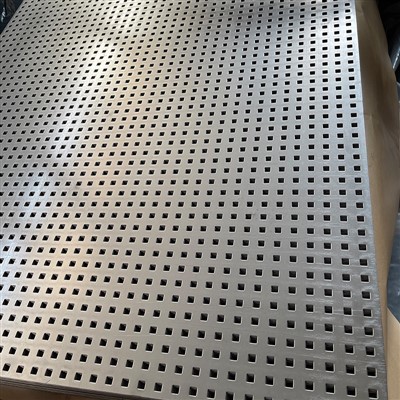
Connecting round hole perforated metal panels is an important part of any project. Whether you choose welding, bolting, riveting, or adhesive bonding, make sure to consider the thickness of the panels, the application, and the aesthetics. Each method has its own advantages and disadvantages, so choose the one that best suits your needs.
Decorative Expanded Metal If you’re interested in purchasing round hole perforated metal panels for your project, I’d love to have a chat with you. We have a wide range of options in terms of hole size, panel thickness, and metal type. Just reach out, and we can discuss your requirements and find the perfect solution for you.
References
- "Metals Handbook: Welding, Brazing, and Soldering", ASM International
- "Fasteners and Fixings Handbook", McGraw – Hill
Anping Yilida Metal Wire Mesh Co., Ltd.
Anping Yilida Metal Wire Mesh Co., Ltd. is one of the most reliable round hole perforated metal manufacturers and suppliers in China, also supports customized service. Please feel free to buy bulk high quality round hole perforated metal made in China here from our factory.
Address: Wire Mesh Development Zone, Anping, Hebei Province, China
E-mail: sales@wiremesh-yg.cn
WebSite: https://www.yilidametal.com/
