Alright, let’s cut to the chase – if you’re here because you’re wondering, “can I just use those cheap low-voltage power cables I’ve got sitting in the warehouse for that outdoor project?” – you’re in the right spot. I’m Jake, part of the team at Power Cable Low Voltage, and let’s be real, I’ve gotten this exact question at least 17 times in the last two months alone. Whether you’re a general contractor throwing up a backyard shed, a landscaper laying string lights for a new commercial property, or even a weekend warrior tackling a home solar setup, low-voltage cables seem like the go-to “lazy person’s pick” because they’re cheaper, lighter, and easier to haul around than heavy-duty stuff. But here’s the thing – it’s not as simple as just grabbing a spool and running it through the dirt. Let’s break this down like we’re chatting over a coffee (no stuffy jargon, promise). Power Cable Low Voltage
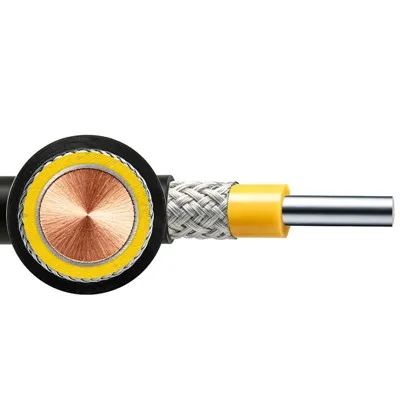
First, let’s get on the same page about what low-voltage actually means. Most of the time, when we talk low-voltage for power cables, we’re referencing anything 50V to 1000V – way below the 120/240V household standard, and definitely lower than high-voltage stuff that runs 1kV and up. That lower voltage is supposed to make it safer for outdoor use, right? Less risk of shock if someone steps on a cut line? Sounds great on paper. But the problem is, the cable itself – not just the voltage – is designed for indoor stuff 9 times out of 10. Think about it: a typical indoor low-voltage cable you’d use for connecting a home theater system or running wires to a wall-mounted light fixture. What’s its insulation made of? Usually PVC (polyvinyl chloride) or even thin cross-linked polyethylene (XLPE) that’s fine when it’s tucked behind drywall, away from moisture, UV rays, and being gnawed on by squirrels or buried under soil.
Let’s start with the biggest outdoor enemy: UV radiation. You know how your favorite outdoor plastic patio furniture turns brittle and crumbly after a summer in the sun? Same thing happens to cable insulation. Standard indoor low-voltage cable insulation doesn’t have UV stabilizers. Leave it strung across a fence or running along the side of a deck for a month, and that insulation starts to crack, flake, and break down. Once that’s gone, the copper conductors inside are exposed to the elements – moisture, dirt, whatever – and suddenly you’ve got a short circuit, or even worse, a fire hazard. I’ve seen a guy try to run his 12V landscape lights using indoor low-voltage wire. He hooked it along his backyard fence, by the end of summer half the insulation was gone, and he had a whole section of lights that kept cutting out. He called us in a panic because he thought his transformer was broken, turns out it was just wire that turned into Swiss cheese from the sun.
Next up, moisture. Outdoor spaces are damp – buried in soil, near sprinkler heads, exposed to rain, snow, condensation. Standard indoor low-voltage cable insulation isn’t waterproof-rated (or water-resistant, even for that matter). If you bury it directly in the ground, or leave it exposed where it can get constantly wet, water will seep through tiny imperfections in the insulation, or even through the jacket itself over time. That leads to corrosion on the copper conductors. Corrosion increases electrical resistance, which makes the wire run hotter than it’s supposed to. Hot wire = bad, especially in outdoor environments where that heat can catch nearby dry grass or mulch. We had a customer last year who buried some indoor low-voltage wire for a small outdoor pond pump. Within three months, corrosion ate through half the conductors, and the pump stopped working mid-summer, leaving him with a dead fish load. Oops.
Wait, but hold on – is there any case where regular low-voltage cable works outdoors? Let’s be fair here. If you’re running a temporary setup? Like, a pop-up vendor booth at a farmers market, where you’re only using the cable for a weekend, it’s hanging up high out of direct sun, not exposed to water or physical damage, and you yank it right back inside when you’re done. In that super specific scenario, it might be okay. But that’s it. We never recommend it for permanent outdoor installations, or anything that’s going to be exposed to the elements long-term.
Now, what’s the right move if you’re set on low-voltage for your outdoor project? Not all low-voltage cables are created equal. When we make low-voltage cables specifically for outdoor use, we upgrade two key things: the jacket and the insulation. First, the jacket gets UV stabilizers added, so it doesn’t break down in sunlight. It’s also thicker, and often rated for direct burial (DB) if you’re running it underground. That jacket is usually made of materials like polyurethane (PU) or high-density polyethylene (HDPE) – way more durable than PVC, resistant to chemicals, and holds up to moisture and physical abrasion (like if you step on it, or a lawnmower runs over it). Then the insulation – we use a thicker, moisture-resistant cross-linked polyethylene (XLPE) or sometimes EPR (ethylene propylene rubber) that seals the conductors inside, so water can’t get in. We also test all our outdoor low-voltage cables for temperature ranges, so they work in both -40°F winter cold and 140°F summer heat, which is way more than standard indoor cables can handle.
Another big factor: physical damage. Outdoor cables are way more likely to get damaged – whether that’s being gnawed by rodents, cut by a shovel when someone’s digging a flower bed, crushed by heavy equipment, or just knocked around by wind and rain. Outdoor-rated low-voltage cables have tougher jackets that resist punctures and tears. I mentioned the squirrels earlier – those little guys love chewing through electrical wires. We had a customer whose solar panel setup used indoor low-voltage wire, and a squirrel chewed through a line mid-day. When the wire shorted, it fried his inverter – cost him thousands to replace. If he’d used our outdoor low-voltage cable, that thicker jacket would have probably stopped the squirrel’s teeth from getting through.
Wait, what about voltage-specific stuff? Like, 12V vs 24V vs 48V low-voltage? Does that change anything? Honestly, not as much as the cable’s rating. Even 12V, which is super common for landscape lighting, is still low-voltage, but if the cable isn’t rated for outdoor use, you’re still taking the same risks. The lower voltage is safer for shock, but the cable’s ability to hold up to the environment is still non-negotiable. I always tell customers: the voltage doesn’t make it outdoor-safe, the cable’s construction does.
Let’s talk code, because this is a big one no one likes to bring up, but it matters. Most local electrical codes (we’re talking NEC in the US, for example) have specific rules for outdoor wiring. If you use indoor-rated low-voltage cable for a permanent outdoor install, you’re violating code. That means if you ever have an inspection – which you might when you sell your home, or get a permit for an addition – you’ll have to rip out all that wire and replace it. Plus, if something goes wrong and causes damage or injury, your insurance might not cover it, because you used non-code-compliant materials. We had a customer a couple of years ago who tried to save a few bucks using indoor wire for his outdoor deck lighting. When an inspector came by during a home sale, he had to spend $1,200 replacing all the wire. That “savings” of $50 on the spool of wire cost him way more in the long run.
But wait, don’t think we’re just here to bash indoor low-voltage cable and push our products. Let’s be real: sometimes you might have an indoor low-voltage cable you need to use temporarily near an outdoor door, or something like that. But make sure it’s strung up high, not on the ground, protected from rain, and only for a short time. Don’t bury it, don’t leave it out for months, don’t run it where it will get direct sun 24/7. Common sense stuff, but you’d be surprised how many people skip that.
So, let’s recap the key takeaways here, because I know I rambled a bit (that’s just how I talk):
- Standard indoor low-voltage power cables are NOT designed for permanent outdoor use. They lack UV resistance, water resistance, and physical durability to handle outdoor elements.
- The only time indoor low-voltage cable works outdoors is for super temporary, low-exposure setups – like a weekend farmers market booth – and even then, be careful.
- If you need low-voltage cable for an outdoor project, always get outdoor-rated low-voltage cable. It’s built to handle sun, moisture, physical damage, and meet electrical codes.
- Cutting corners on cable for outdoor projects can end up costing you way more in repairs, replacements, or even safety issues than buying the right cable upfront.
Now, I know a lot of you reading this are small business owners, landscapers, or homeowners who are trying to stick to a budget. I get it – no one wants to overspend on supplies. But when it comes to power cables, especially for outdoor use, you really do get what you pay for. Our team at Power Cable Low Voltage doesn’t sell cheap junk that falls apart after a month. We test every batch of our outdoor low-voltage cables to make sure they meet all the standards, so you don’t have to worry about them breaking down mid-project, or causing a hazard. We also offer different gauges, lengths, and ratings to fit whatever your project needs – whether you’re running 12V landscape lights, a 48V solar array, or something in between.
If you’re still not sure what kind of low-voltage cable you need for your specific project – whether it’s buried, strung along a wall, temporary, permanent, whatever – just reach out to us. We’re not here to pressure you into buying something you don’t need, we’re here to give you straight, honest advice, because we’ve been in this industry long enough to know that the best customer is one who knows what they’re getting, and comes back when they need more supplies. No pushy sales tactics, no confusing jargon, just real talk from people who actually work with these cables every single day.
So next time you’re staring at a spool of indoor low-voltage wire thinking “can I just use this outside?” – remember this post. Save yourself the headache, the extra cost, and the potential safety issues. Grab the outdoor-rated stuff, do the job right the first time.
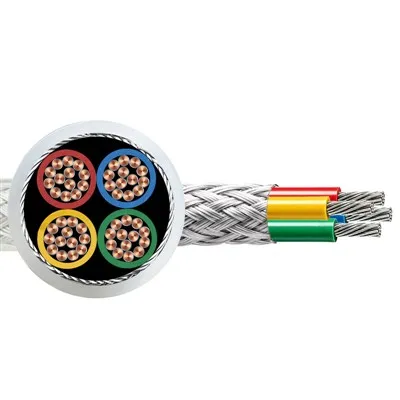
If you’re ready to pick up the right low-voltage power cable for your outdoor project, or just have more questions about ratings, gauges, or installation tips, don’t hesitate to get in touch with our team to discuss your needs.
Power Cable Low Voltage References:
National Electrical Code (NEC) Article 310, 2020
Underwriters Laboratories (UL) Standard 83, for Flexible Cords and Cables
Wire Association International (WAI) Low-Voltage Cable Construction Guidelines
Yangzhou Huayu Cable Co., Ltd.
Yangzhou Huayu Cable Co., Ltd. is one of the most professional power cable low voltage manufacturers and suppliers in China, also supports customized service with low price. Please feel free to wholesale advanced power cable low voltage made in China here from our factory. Contact us for pricelist.
Address: No. 9 Jingang Road, Yangzhou City, Jiangsu Province, China
E-mail: huayucableco@126.com
WebSite: https://www.huayucabletech.com/
