Hey there, fellow valve folks—if you’ve ever spent hours troubleshooting a plunger valve that seized up out of nowhere, you know the frustration of ignoring basic storage requirements. I’m [Your Company Name], a guy who’s been selling plunger valves for over a decade, and let me tell you, bad storage is the #1 hidden culprit behind most premature valve failures. I’ve seen brand-new plunger valves that came right from the factory, checked out perfect during inspection, and then went bad just sitting on a customer’s shelf for 6 months because they stashed them wrong. Today, I’m breaking down exactly what you need to do to keep your plunger valves in top shape until they’re ready to install—no fancy jargon, just real-world stuff I’ve picked up on the job. Plunger Valve
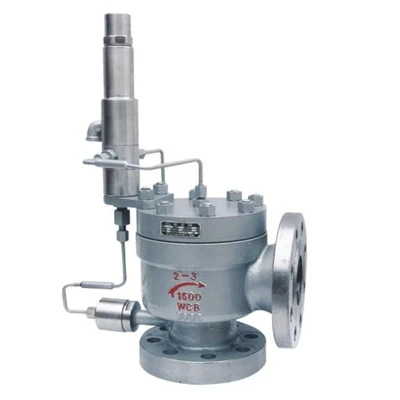
First off, let’s talk about what makes plunger valves different from other valve types (like gate or ball valves) when it comes to storage. Plunger valves have that precision-machined plunger and seat, right? That tight clearance is what makes them leak-tight, but it also means they’re way more sensitive to environmental factors than bulkier valves. A ball valve might survive a little dust in the crevices, but a plunger? A single speck of grit between the plunger and seat can scratch that metal surface, leading to leaks when you finally go to use it. And unlike gate valves, which often have exposed stems, plunger valves have that protruding plunger that’s just begging for damage if you don’t cover it properly. I’ve had customers bring back valves where the plunger got dinged from being stacked on top of heavy pipes—costing them thousands in replacements, just because they didn’t store them right.
Let’s start with the basics: the storage environment. Temperature and humidity are non-negotiable here. I can’t tell you how many times a customer said “it was just sitting in the back of a warehouse” only to find rust on the plunger. Plunger valves, usually made of carbon steel, stainless steel, or sometimes chrome-plated brass, hate extreme swings in temp and high moisture. The sweet spot? Aim for a consistent 10°C to 30°C (that’s 50°F to 86°F for our US crew) with relative humidity below 60%. Why? If it’s too hot, gaskets and O-rings (which are part of every plunger valve) can dry out and crack. Too cold, and any residual oil from manufacturing gets thick, making the plunger impossible to actuate later. Humidity over 60% is a rust magnet—even stainless steel can spot if there’s too much moisture in the air, especially if the valve’s not wrapped properly. I once had a customer in Houston (super humid, y’all) that stored 20 plunger valves in a corner without covering them, and half of them had to be reconditioned just because of surface rust on the plunger stems. Lesson learned: climate control isn’t a luxury—it’s a must for long-term storage.
Next up, protection from physical damage. Plunger valves aren’t indestructible, even when they’re new. The plunger is a precision part—you can’t just stack heavy stuff on top of them, or drop them, or let them get banged around on a job site. First, always keep the original packaging until you’re ready to install. Most good valve suppliers (that’s me, by the way) ship valves in custom crates or shrink-wrapped with foam padding specifically to protect the plunger and seat. But if you have to take them out of the packaging for any reason, or store them for a long time, here’s what to do: use valve caps or plastic covers to seal the ports. The inlet and outlet ports are open when they come, so if you don’t cap them, dust, dirt, water, or even bugs can get inside and wreck the internals. I’ve had a customer who stored a plunger valve in a barn for a project that got delayed—when he finally opened it, there was a spider web in the seat. Yeah, a spider web. That’s how important port covers are. Also, support the valve correctly when storing it. Don’t let it hang by the stem, and don’t stack more than 3 or 4 valves on top of each other. The plunger is a long, thin part—too much weight on top can bend it, and a bent plunger means it won’t seal right when you install it. One time a contractor stacked 10 plunger valves on top of a spare pipe, and 2 of the plungers were slightly bent—we had to replace them at no extra cost, but that’s a loss I’d rather not take.
Now, preservation of internal components. This is where a lot of people skip a step, and it bites them later. When we ship your plunger valve, it’s pre-lubricated with a light, anti-corrosive oil to keep the plunger and seat from rusting during transport. But that oil can evaporate or get wiped off if the valve’s not stored right, especially if it’s exposed to high temps or air flow. For short-term storage (less than 3 months), just keep the valve in its sealed packaging, that’s usually enough. But if you’re storing it for longer than that, you need to reapply a thin coat of the same oil (or a compatible anti-corrosive lubricant) to the plunger and seat. Don’t use WD-40, by the way—WD-40 is a solvent, not a long-term lubricant, and it can actually attract more dust. Use the same oil we ship with, or ask us for a recommendation if you’re not sure. Also, every 6 months, if the valve’s in long-term storage, you should manually actuate the plunger a few times. Not all the way, just a small stroke, to make sure the lubricant is evenly distributed and the plunger isn’t seizing up. I once had a customer who stored a plunger valve for a year without touching it, and when he went to actuate it, the oil had dried up and the plunger was stuck. He had to take it apart, clean it, re-lubricate it, and wait a week to install it—costing him a ton of project delays. A quick 2-minute check every 6 months avoids all that hassle.
Another big one: contamination control. Plunger valves are super sensitive to foreign particles, as I mentioned earlier. So don’t store them near any construction material, dust, chemicals, or even outside. I don’t care if it’s a “temporary” outdoor storage spot—sun, rain, wind, and whatever’s in the air will get to that valve eventually. Even if you cover it with a tarp, the moisture gets trapped under there, and that’s worse than leaving it out. If you have to store valves temporarily (like less than a month) and don’t have a climate-controlled space, put them on a raised pallet (so they’re not sitting on the ground, where they can absorb moisture) and cover them with a breathable tarp—not plastic. Plastic traps moisture, breathable fabric lets air circulate. Also, never store plunger valves near any chemicals that can off-gas. Things like paint, solvents, or even some cleaning products can corrode the metal or damage rubber gaskets. I had a customer that stored valves next to a paint storage area, and the rubber O-rings on the valves started to crack after 2 months—we had to replace all 15 of them. That’s an easy mistake to avoid.
Wait, what about specific storage for different types of plunger valves? Let’s get a little more specific, because not all plunger valves are the same. For example, if you have a lubricated plunger valve (the most common type for general industrial use), the storage rules I mentioned apply—just make sure you don’t let the lubricant get contaminated. For an unlubricated plunger valve (used in food or pharmaceutical industries, where lubricants can’t get in the process), you have to be extra careful with cleanliness. No extra oil on the plunger, just keep the ports sealed and the storage area sterile if possible. For high-pressure plunger valves (used in oil and gas, mining, or water jet cutting), the plunger is thicker, but the pressure seals are more delicate. So you need to make sure the gaskets are protected from extreme temps, because high pressure makes those seals more sensitive to damage. I’ve seen high-pressure plunger valves go bad because someone stored them in a garage that got up to 100°F in summer, and the seals softened—then when you ran high pressure, they leaked.
Also, let’s talk about documentation. A lot of people don’t think about this, but when you store a plunger valve, keep the original paperwork with it. The box, the manual, any specs—because when you go to install it a year later, you might need to know things like the pressure rating, material compatibility, or the correct lubricant to use. I once had a customer who bought a plunger valve from another supplier, stored it for a year, and then lost the paperwork. He ended up using the wrong lubricant when he installed it, which caused a reaction between the lubricant and the process fluid, leading to a leak. That’s avoidable if you just keep the paperwork with the valve.
Now, common mistakes I see all the time. Let’s call these out so you don’t make them. First, leaving ports open. 9 times out of 10, a valve that goes bad in storage has open ports. Second, using plastic tarps for outdoor storage. Traps moisture, not good. Third, stacking too many valves, or stacking heavy stuff on top. Fourth, using WD-40 or random lubricants instead of the recommended ones. Fifth, storing in high humidity or extreme temps. I can’t stress these enough—they’re the simplest fixes, but they cause the most problems.
At the end of the day, storage is just about treating your plunger valve like the precision part it is. You wouldn’t leave a new laptop sitting in a puddle, or a smartphone under a pile of tools—same logic applies to valves. A little bit of time spent getting the storage right means your valve will work when you need it, no surprises, no delays, no extra costs.
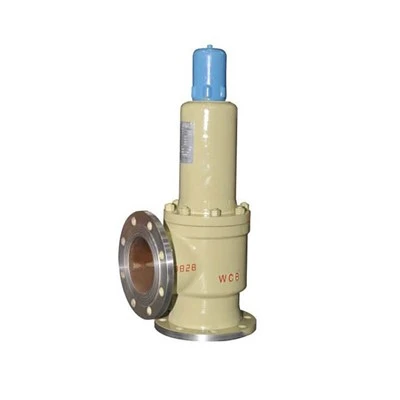
If you’re not sure about the storage conditions for your specific plunger valve, or you need help figuring out the right way to store them, hit me up. I’ve got 15+ years of experience with all kinds of plunger valves, and I can walk you through exactly what you need to do. We can chat about your project, your storage space, whatever you need to make sure your valves are ready to go when you are. Don’t let bad storage ruin your next project—reach out today, let’s make sure your plunger valves are stored right, so they perform right.
Safety Valve References:
- ISA-7.1.01-2012, “Specification for General Purpose Valves”, International Society of Automation.
- API 609, “Butterfly Valves: Flanged, Lug, and Wafer Type”, American Petroleum Institute.
- Plunger Valve Storage Guidelines, Manufacturer’s Standard for Industrial Valve Preservation, 2021.
- Corrosion Control for Industrial Components, NACE International, 2019.
Wenzhou Starry Valve Co., Ltd.
Wenzhou Starry Valve Co., Ltd. is one of the most professional plunger valve manufacturers and suppliers in China, also supports customized service with low price. Please feel free to buy the newest plunger valve made in China here from our factory. Welcome to contact us for pricelist.
Address: No.4900, 3rd Road, Binhai Industrial Park, Wenzhou Economic & Technological Development Zone, Wenzhou City
E-mail: starryvalves@163.com
WebSite: https://www.starryvalves.com/
