If you’ve ever walked through a coastal construction site, a chemical processing plant, or even a municipal wastewater treatment facility, you’ve likely noticed that every piece of equipment is engineered to stand up to some pretty tough conditions. As someone who’s spent 12 years selling trough cable tray to industrial, commercial, and infrastructure clients, one question I get asked more than any other is: Can trough cable tray actually hold up in a corrosive environment? Trough Cable Tray
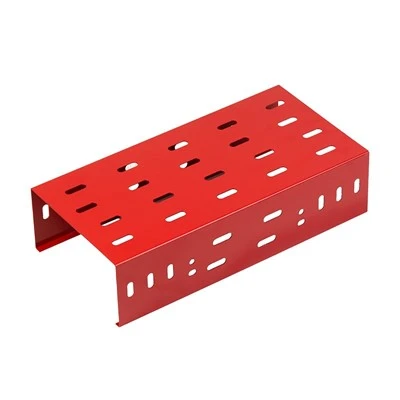
The short answer is yes—but only if you pick the right type, install it correctly, and follow a few key maintenance steps that I’ve learned through working with clients who’ve faced corrosive conditions firsthand. I once had a call from a plant manager in Texas who thought he’d made a mistake when his initial order of standard galvanized steel trough cable tray started showing rust spots six months after installation. He’d assumed all steel cable tray was the same, but that’s not the case. By the time we wrapped up our conversation, he’d reordered a different coated steel variety and revised his installation schedule, and two years later, he still reaches out to let me know his cable tray is holding strong while other nearby equipment is corroding. That experience stuck with me because it’s a perfect example of why there’s no one-size-fits-all answer to this question.
Let’s break this down by starting with what makes an environment “corrosive,” because not all corrosive conditions are equal. Corrosion happens when a metal reacts with its surroundings to form oxides, sulfides, or other compounds that weaken the material. Common corrosive environments fall into a few categories: high-moisture coastal areas (where salt spray is a major factor), chemical processing plants (exposed to acids, bases, or industrial fumes), wastewater facilities (exposed to sewage gases and moisture), and even agricultural operations (exposed to fertilizers and manure). Each of these environments has a different level of corrosivity, and that’s where your choice of trough cable tray material and coating becomes critical.
Standard carbon steel with a basic hot-dip galvanized coating is a common choice for indoor, low-corrosivity environments like office buildings or dry warehouses. But if you put that same tray in a coastal area where salt spray is present, the zinc coating—designed to protect the steel—will break down much faster than it would in a dry climate. Salt is an electrolyte that speeds up the electrochemical reaction of corrosion, so the zinc layer wears thin, and the steel beneath starts to rust. By contrast, aluminum trough cable tray is a popular option for coastal and mildly corrosive environments because aluminum forms a natural, self-healing oxide layer when exposed to air. That layer is thin but tough, and it prevents further corrosion once it’s formed. I’ve had clients in Florida’s panhandle install aluminum tray 10 years ago that still looks like new, even though it’s exposed to regular salt spray and high humidity.
But aluminum isn’t the right choice for every corrosive environment. If you’re working in a chemical plant where you’re exposed to strong acids like sulfuric acid or hydrochloric acid, aluminum can react badly with those substances, leading to pitting corrosion. That’s where coated steel or stainless steel trough cable tray comes into play. For many years, clients have asked about stainless steel, and it’s definitely a good option for highly corrosive environments, but it’s also more expensive than coated steel. The key here is knowing which grade of stainless steel to use—304 stainless works well for mild chemical exposure and salt, but 316 stainless steel, which contains molybdenum, is a better choice for environments with strong chemicals or saltwater exposure. The molybdenum helps resist pitting corrosion, which is a common issue in areas with high chloride levels.
Coated steel is often the sweet spot for many industrial clients because it’s more affordable than stainless steel while still offering excellent corrosion resistance, if you choose the right coating. The two most common high-performance coatings for trough cable tray are powder coating and fusion-bonded epoxy (FBE). Powder coating is a dry coating that’s applied electrostatically and then cured at high heat, creating a thick, durable layer that resists chipping, scratching, and chemical exposure. FBE is similar but has an even higher resistance to moisture and chemicals, making it a great choice for underground or submerged applications, like cable runs in wastewater treatment plants. I recently worked with a municipal client who installed FBE-coated trough cable tray for their underground sewer line cable runs, and after three years of being exposed to sewage gases and occasional submersion, the tray shows zero signs of corrosion. That’s the kind of result that makes both the client and me happy.
But even the best material and coating won’t perform well if it’s installed incorrectly. I’ve seen this happen more than once: a client buys high-quality FBE-coated tray, but they cut it on-site using a regular saw that creates sharp edges and chips the coating, and then they leave the cut edges exposed to the environment. Those tiny chips become points where corrosion can start, and over time, it will spread. That’s why we always recommend using plasma cutters for on-site cuts, and then applying a touch-up coating to any damaged areas before installing the tray. Another common mistake is not using the right fasteners. If you’re installing stainless steel tray in a corrosive environment, using standard steel fasteners will create a galvanic corrosion cell—when two different metals are in contact in the presence of an electrolyte, one will corrode faster. So fasteners should match the tray material: stainless steel for stainless steel, aluminum for aluminum, and coated steel for coated steel.
Maintenance is another key factor in keeping trough cable tray functional in corrosive environments. Many clients assume that once the tray is installed, they don’t need to check on it, but that’s not true, especially in harsh conditions. We recommend a quarterly inspection for high-corrosivity environments, looking for chipped coating, rust spots, or loose fasteners. For milder corrosive environments, an annual inspection is enough. If you do find small rust spots or chipped coating, you can touch them up with a compatible coating to prevent further corrosion. I had a client in a chemical plant who skipped inspections for two years, and by the time they noticed rust on a section of tray, it had already corroded through, requiring them to replace the entire run—something they could have avoided with regular, low-effort maintenance.
Now, let’s address a common myth that I hear all the time: “Trough cable tray is only for indoor use.” That’s simply not true. Trough cable tray is available in types designed for outdoor and underground corrosive environments, as long as you choose the right material and coating. Outdoor applications like highway lighting cable runs, coastal boardwalks, and outdoor power substations all use specialized corrosive-resistant trough cable tray. Underground applications, like utility cable runs and wastewater plant piping cable supports, often use FBE-coated or high-density polyethylene (HDPE)-coated tray, which resists moisture, chemicals, and soil corrosion.
I want to be transparent with my clients—there is no such thing as a “corrosion-proof” trough cable tray. Every material and coating has a limit to what it can withstand, and it’s important to match the tray to the specific level of corrosivity of your environment. For example, a 304 stainless steel tray can handle mild chemical exposure, but if it’s exposed to concentrated sulfuric acid, it will corrode. An FBE-coated tray is great for underground use, but if it’s exposed to very high temperatures, the coating can break down, leading to corrosion. That’s why we always work with clients to assess their specific environment before making a recommendation. We ask questions like: What chemicals is the tray exposed to? What’s the level of humidity? Is it near salt water? Will it be submerged? Those answers help us pick the right tray that will last for decades, not just a few years.
I recently had a client who was planning a new seafood processing plant in Louisiana. They were worried about salt spray, moisture, and occasional exposure to food processing chemicals like citric acid. We worked together to assess their space, and we recommended 316 stainless steel trough cable tray for the outdoor areas and powder-coated steel tray for the indoor processing areas. A year later, they reached out to tell us that the tray is performing exactly as we predicted—no rust, no corrosion, and their maintenance team hasn’t had to touch it once. That’s the kind of result that makes all the work worth it.
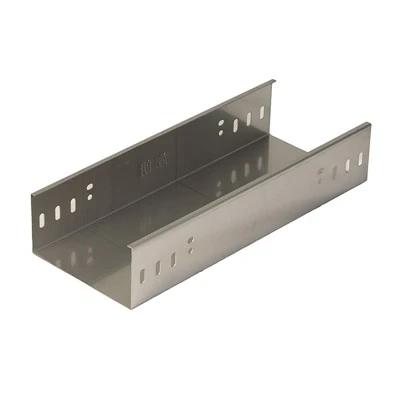
If you’re working on a project in a corrosive environment and you’re not sure which trough cable tray is right for you, I’m here to help. Whether you’re dealing with coastal salt spray, chemical plant fumes, wastewater, or any other corrosive condition, we can guide you through choosing the right material, coating, and installation practices to ensure your cable tray lasts for years. We also offer custom sizing and options to fit your specific project needs. If you’re ready to talk through your project and find the right corrosive-resistant trough cable tray, reach out to our team to start a conversation. We’ll work with you every step of the way to make sure your cable management system is built to withstand even the harshest conditions.
Cable Tray References
- NACE International. (2021). Corrosion Costs and Preventive Strategies in the United States.
- Steel Structures Painting Council. (2019). Selection and Application of Protective Coatings for Steel in Corrosive Environments.
- Aluminum Association. (2020). Aluminum Cable Tray: Corrosion Resistance and Performance in Harsh Environments.
- American Welding Society. (2018). Galvanic Corrosion Prevention in Metal Installation.
- International Electrotechnical Commission. (2022). IEC 61537: Cable Tray Systems – Design and Installation.
Hebei Jinglang Industrial Co., Ltd.
As one of the most professional trough cable tray manufacturers and suppliers in China, we also support customized service. We warmly welcome you to wholesale high quality trough cable tray in stock here from our factory. If you have any enquiry about quotation, please feel free to email us.
Address: Nanxinzhuang Village, Daweihe Hui and Manchu Township, Wen’an County, Langfang City, Hebei Province
E-mail: 18231629992@163.com
WebSite: https://www.jinglangcabletray.com/
