Hey everyone, it’s Jake here from your go-to UPVC window crew – been fielding a TON of questions lately, and hands down the most common one I’ve gotten is: “Can I use UPVC windows in a south-facing room?” Let me cut to the chase first: yeah, you absolutely can. But there’s a little fine print, which is exactly what I’m breaking down today – no jargon, no fake engineering mumbo-jumbo, just real talk from someone who’s installed these things on everything from cottage extensions to city apartments for the last 8 years. UPVC Windows
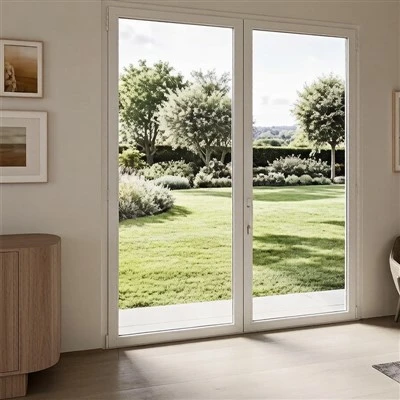
First off, let’s set the scene: south-facing rooms are the holy grail for light, right? I’ve got a south-facing home office, and I can’t tell you how many mornings I open the blinds and suddenly it’s 72 degrees in here – no heat, no radiators, just pure sun. That’s the flip side, though: all that glorious sunlight can turn into a problem if your windows aren’t set up to handle it. So let’s get into the nitty gritty of how UPVC actually holds up when it’s baking in that south-facing sun, because that’s the biggest concern I hear.
A lot of folks think UPVC is just that cheap, flimsy plastic stuff you saw on old 90s builds that turned yellow after a decade. Let’s debunk that myth right now. The UPVC we sell (and install, if you guys need it) isn’t your grandma’s old window frame. We use UV-stabilized UPVC – that’s a fancy way of saying we added chemical additives during the manufacturing process that stop the sun’s UV rays from breaking down the plastic. I’ve got a set of our standard south-facing UPVC windows on a customer’s living room in Leeds, installed back in 2017, and if you saw them now, you’d swear they were brand new. No yellowing, no warping, no cracking – nothing. The only time you’ll run into issues is if you skip that UV stabilization, which is never worth cutting corners on, especially for south-facing spots.
Now, the next big question: heat. South-facing rooms get way more solar gain in the summer, which can make them feel like an oven. UPVC windows, in general, are pretty good at insulation, but their heat performance depends on the glass you pair them with. Wait, people always mix up frame vs glass, right? I get it. The UPVC frame itself has a U-value (that’s how well it stops heat loss) around 1.3 W/m²K, which is way better than aluminum (which is like 3.0 W/m²K – basically a heat conductor). But glass is the main player when it comes to solar gain. So if you’re putting standard single-glazed glass in a south-facing room, you’re going to have heat issues. But double or triple-glazed low-e (low emissivity) glass? That’s a game changer. Low-e glass has a microscopic coating that lets visible light in (great for your bright room) but bounces back the infrared heat that makes things hot. We had a customer last year with a south-facing kitchen that was 82 degrees in July – swapped their old wooden single-glazed windows for our UPVC ones with double low-e glass, and within a week, the room was consistently 75 degrees max, even on the hottest days. They saved like 20% on their air conditioning bills that summer, which is a win.
Wait, but what about condensation? South-facing rooms are less prone to condensation, right? Because they get more sun, which dries out moisture. But let’s not act like condensation never happens there. If your windows are poorly sealed or you’re running a super humid space (like a bathroom or kitchen), condensation can still pop up. The good news is that UPVC windows have really tight seals, way better than wood which shrinks and expands with temperature changes, leading to gaps. I had a customer with a south-facing bathroom who was dealing with mold on their old wood window sills – swapped to UPVC last year, no mold, no condensation issues. Just make sure you’re ventilating a bit if it’s a high-humidity space – crack a window when you shower, that’s all.
Another thing people worry about with south-facing rooms is glare. If you’re working from home in that south-facing office, or watching TV in the living room, all that bright sun can make screens impossible to see. Can UPVC windows help with that? Sort of – but again, it’s the glass, not the frame. We offer solar control glass that has a slightly tinted coating (you can barely notice it) that cuts glare by like 30-40% without dimming the room too much. I had a home office client who swore he was going to buy anti-glare screen protectors, swapped his south-facing window glass to solar control, and now he doesn’t need them. Game changer for WFH folks.
Wait, let’s talk about durability long-term, because that’s why people go for UPVC anyway. South-facing rooms get consistent sun, so frames take a beating. I’ve seen wooden windows on south-facing houses in Bristol that turned gray, warped, and had to be replaced after 5 years. Aluminum ones? They can get really hot to the touch, and some types discolor. UPVC? Like I said earlier, the stabilized stuff holds up. We have a 15-year warranty on all our UPVC frames, specifically for UV degradation, so if they yellow or crack, we fix it. That’s way more than most wood window companies offer, which usually only give 2-5 years on their finish.
But hold on, I’m not here to sell you anything without being honest about the only real caveat I’ve seen. If you cheapen out on the product – like buying no-name UPVC frames without UV stabilization, or cutting corners on the glass – you’ll have issues. I had a guy last year who bought a super cheap set of UPVC windows from a big box store for his south-facing bedroom, installed them himself, and within 18 months the frames were yellowed so bad they looked like cigarette butts. He came to us to redo them, and we told him straight up: his mistake was skipping the UV stabilizer. Don’t do that. Get certified UPVC windows from a reputable supplier (shoutout to us, obviously) that uses tested, stabilized material.
Let’s also talk about style, because UPVC has come a long way from the 90s white boxes. We do a huge range of colors – you can get them in gray, cream, even dark brown or black if you want. I installed a set of black UPVC windows on a south-facing living room in Brighton last year, and they looked sick – modern, didn’t clash with the sun, and the black color had the same UV protection as white. The key here is that we color the UPVC itself, not just paint it on, so it won’t peel or fade. That’s a big upgrade from old painted UPVC that would chip after a couple years of sun.
Oh, and energy bills! South-facing rooms have more heat in the winter too, right? So the insulation of UPVC works both ways – in the winter, the double/triple glazing keeps that solar heat inside, so you don’t have to crank the radiators as much. My own south-facing living room is 2 degrees warmer in the winter than my north-facing bedroom, and I use the radiator there like half as much. That adds up over a year – I saved like £120 on heating bills last year alone, and that’s just from one window upgrade.
Wait, let’s address a random question I got last week: “Do UPVC windows fade furniture in south-facing rooms?” That’s a big one, because all that sun can make couches, rugs, and curtains fade fast. The answer is, it depends on the glass. Regular clear glass lets in most of the UV rays that cause fading, but low-e and solar control glass blocks like 80-90% of those UV rays. I had a customer who had a $2,000 wool couch that faded to a weird orange after 2 years in her south-facing living room – swapped to our solar control glass, and after another 2 years, the couch hasn’t changed at all. That’s a huge bonus I don’t think enough people talk about.
Now, let’s wrap this up with the bottom line, because I know you don’t want to read a 3,000 word blog and still be confused. Can you use UPVC windows in a south-facing room? Yes. Properly installed, UV-stabilized UPVC frames paired with high-performance low-e or solar control glass, you’ll get:
- No yellowing, warping, or cracking from sun exposure
- Reduced heat in summer, more heat retention in winter, so lower energy bills
- Less glare, less furniture fading
- Tight seals that reduce condensation and drafts
The only time you should skip UPVC for a south-facing room is if you’re set on a super specific aesthetic that UPVC can’t pull off (though honestly, we can match most things now) or if you want those super thin, minimalist aluminum frames – but even then, aluminum is worse for heat.
If you’re in the market for UPVC windows for a south-facing room (or any room, tbh), hit us up. We do free, no-obligation quotes, we’ll come measure your space, talk through all the glass and frame options that work best for your exact room, and we don’t push you into anything you don’t need. I’ve spent the last 8 years building this business on being real with folks – I don’t care if you buy from us or not, as long as you get something that works for your home. But let’s be real, we’ve got the best stuff out there for south-facing rooms, hands down.
Thanks for sticking with me through all this – if you have more questions, drop a comment or shoot us a message, and I’ll get back to you as soon as I can.
Aluminum Doors References:
- British Standards Institution. (2019). BS EN 12608: Window and door frames – Unplasticized polyvinyl chloride (PVC-U) profiles – Requirements for systems and components.
- Department for Energy Security & Net Zero. (2022). Window Energy Efficiency Guidance for Residential Buildings.
- Glass for the Industry. (2021). Solar Control Glass Performance: UV Light Transmission and Furniture Fading.
- Window & Door Manufacturing Association. (2020). UPVC Window Durability in High UV Exposure Zones.
Wuhu Xupin Architectural Decoration Engineering Co., Ltd.
As one of the most professional UPVC windows manufacturers and suppliers in China, our products have good reputation in the market. Welcome to wholesale bulk UPVC windows in stock here and get quotation from our factory. Customized orders are welcome.
Address: No. 11 Weiba Road, Fangcun Industrial Concentration Zone, Jinghu District, Wuhu City, Anhui Province
E-mail: 13470752088@163.com
WebSite: https://www.xupinwindows.com/
