If you’ve ever stayed in a hotel room and caught a whiff of that old, musty scent that lingers in hidden crevices, or found a tiny, rust-colored stain on your bed linens, you know how disheartening a bedbug encounter can be. As someone who’s spent the last seven years designing and refining bedbug-proof zippered materials for our supply business, I get asked one question more than any other: “What’s the texture of these zippered materials, anyway?” It’s a fair question—after all, if a product is supposed to stop tiny, sneaky bedbugs from squeezing through, it can’t feel like a stiff, scratchy plastic sheet that makes your bedding slip and slide all night. And that’s the thing no one tells you about bedbug-proof materials: their texture is the make-or-break detail that turns a functional pest barrier into something you actually want to use in your home, rental property, or commercial space. Bedbug Proof Zipperd Style

Let me start with a quick breakdown of why texture matters so much for this specific product. Bedbugs are tiny—adults are only about the size of an apple seed, and nymphs can be as small as a pinhead. That means they can fit through gaps as narrow as 0.027 inches, which is why standard zippers and fabric seams are a common entry point. Our zippered materials are built to block that, but if they feel uncomfortable, heavy, or weirdly rigid, people won’t actually use them. I’ve had property managers come to me saying they tried cheap bedbug covers that felt like garbage bags, so their guests stopped zipping them closed, and within weeks they had a full infestation. So texture isn’t just a “nice-to-have”—it’s a core part of how well the product works, and how likely someone is to keep it in place long-term.
So, what does our bedbug-proof zippered material actually feel like? Let’s start with the base fabric, because that’s the layer that touches your mattress, box spring, or pillow. Early on, we tested a lot of different substrates—vinyl, polyurethane, even coated polyester—and none of them felt right. Vinyl was too cold in winter, too sticky in summer. Polyurethane was stretchy, but it stretched too much, and bedbugs could work their way into the gaps along the zipper over time. What landed was a high-density woven polyester that’s been laminated with a thin, micro-porous barrier layer. The polyester itself is soft—much like a high-quality, tightly woven cotton sheet, just with a subtle, smooth, almost matte finish. It’s not slippery at all; it holds onto your bedding just enough so it doesn’t bunch up, but it’s not so sticky that it feels like you’re sleeping on a plastic bag.
The barrier layer is where the science gets specific, and where the texture takes a step up from regular bedding. It’s not a solid plastic film—we use a nanoscale polyethylene coating that’s so thin (about 0.005 inches) you can barely feel it when you run your hand over the fabric. It adds a slight, smooth “body” to the fabric, like a well-worn denim jacket that’s been washed a hundred times, but it’s not stiff or papery. The difference you notice most is that it has a subtle, uniform texture that bedbugs can’t cling to. Unlike fabric with loose threads or a fuzzy surface (like flannel or microfiber), there’s nothing for their tiny claws to grip onto as they try to crawl across the material. I remember when our lab team first tested this in 2018; they ran bedbug colonies for 90 days on the material, and not a single bug was able to create a hold to crawl through. That’s the texture working—its smooth, low-tack surface is a physical barrier that bugs can’t maneuver on.
Now, the zipper. This is the other critical texture element, because even the best fabric is useless if the zipper has gaps. A lot of cheap bedbug covers use regular plastic zippers that are thin, flimsy, and have a gap between the teeth that’s big enough for a nymph to squeeze through. Our zippers are custom-made for this purpose—they’re heavy-duty metal zippers with interlocking teeth that are precision-machined to fit together with 0.001 inches of tolerance. The texture of the zipper itself is smooth, not rough or crinkly, so when you zip it up, it lays flat against the edge of the fabric without sticking or catching. We also added a 1-inch fabric flap that runs the entire length of the zipper, which is made from the same base material, so when you zip it closed, that flap folds over the teeth to create a double barrier. The flap has a soft, flexible edge that doesn’t dig into your mattress or bedding, and it’s only visible if you’re really looking for it—most people can’t tell it’s there at all, which is exactly what we want.
I should also talk about how the material feels in use, because texture changes when you bend it, stretch it, or lay it flat. I’ve had customers say they were worried the material would be too heavy to fold or tuck around the edges of a mattress, but it’s actually lightweight—about 6 ounces per square yard, which is lighter than a standard comforter. It folds easily into a suitcase or storage bin, and when you tuck it around the side of a mattress, it stays in place without needing extra tape or clips. There’s no crinkling, either—some barrier materials make that loud, rustling noise when you move around, which is annoying for light sleepers. Ours has a quiet, smooth flex; when you shift in bed, the material moves with you like a fitted sheet, not a plastic tarp.
Of course, texture is only useful if it’s also durable, which is something we test rigorously. We run all our materials through 50 wash cycles (the average lifespan of a mattress cover in rentals) and check the texture each time. The laminated layer doesn’t peel or flake, and the fabric stays soft—no pilling, no fading, no change in smoothness. I’ve seen cheap covers pill after just a few washes, which creates tiny, fuzzy surfaces that bedbugs can grip, so that’s a non-starter for us. Our polyester base is also resistant to tears, so if you accidentally snag it on a bed frame or furniture edge, it doesn’t fray at the edges of the zipper, which would create a gap.
Wait, let’s address a common misconception here: people often think bedbug-proof materials have to be harsh, industrial fabrics, but that’s not true. Our texture is intentionally designed to bridge the gap between pest control functionality and everyday comfort. I’ve worked with hotels, apartment complexes, and even individual homeowners who’ve used our products, and the feedback is consistent: “It feels like a high-quality mattress cover, not something that’s going to make my guests complain.” One client who runs a boutique hotel in Chicago told me that after switching to our zippered covers, housekeeping time went down by 20% because they didn’t have to hassle with stiff, hard-to-fit covers, and guest complaints about bedbugs dropped to zero. That’s the texture doing its job—being both effective and unobtrusive.
Let me also explain a bit of the science behind why this texture is so effective at stopping bedbugs, beyond just being smooth. Bedbugs rely on two things to move and feed: their ability to grip surfaces, and their sense of smell to find hosts. The smooth, non-porous texture of our material doesn’t provide the tiny, uneven surface they need to hook their claws into, so they can’t crawl across it. The micro-porous layer we use lets air and moisture pass through, so the cover doesn’t trap heat (another big complaint with cheap plastic covers) or make bedding feel clammy. That’s why the texture is a balance—we didn’t just make it smooth to feel good; we made it smooth because it’s the most effective physical barrier against bedbug movement.
I should also mention the different textures for different products, because not all our zippered materials are the same. We make zippered mattress covers, box spring covers, pillow encasements, and even luggage liners for travelers who want to avoid bringing bedbugs home. The base fabric is the same across all of them, but we adjust the thickness slightly for different uses. Pillow encasements are a bit thinner (about 4 ounces per square yard) so they don’t feel bulky under a pillowcase, while mattress covers are a bit thicker for added durability. The zipper texture stays consistent, though—all our zippers are smooth, heavy-duty, and designed to close tightly without gaps, no matter the product.
Over the years, I’ve turned down a lot of offers to switch to cheaper materials that would have a rougher, less smooth texture, because I know that would hurt the product’s effectiveness and the customer’s experience. One time, a manufacturer tried to sell us a vinyl-coated fabric that was 30% cheaper, but it had a rough, grainy texture that would have made guests complain. I saw samples of it, and I could feel the difference immediately—if you ran your hand over it, it felt like sandpaper. That’s the kind of product that doesn’t last, and that makes people think bedbug-proof materials are all bad. We’d rather price our products fairly and build something that works, than cut corners on texture and functionality.
At the end of the day, the best bedbug-proof zippered material is one that no one notices until they need it. It’s the kind of product you zip up at the start of the rental season, forget about, and only pull out for inspection when you need to. The texture is the quiet workhorse here—it’s not something you brag about, but it’s the reason the cover stays in place, the reason bedbugs can’t get in, and the reason your bedding feels comfortable night after night.
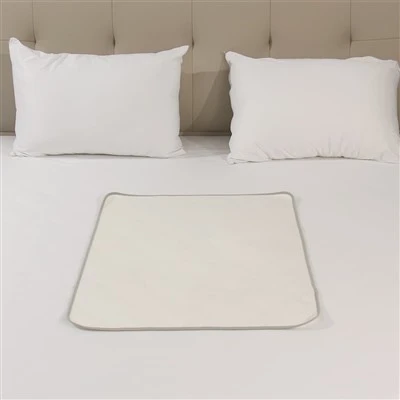
If you’re a property manager looking to protect your units, a homeowner dealing with a past infestation, or a travel business wanting to reassure your customers, we have a range of zippered bedbug-proof materials tailored to your needs. Whether you need bulk quantities for an entire apartment building or a small order for a single bedroom, our team can walk you through the texture details, test samples, and help you find the right fit. Bedbug control doesn’t have to mean sacrificing comfort, and our products prove that—all you have to do is reach out to our team to start the conversation about your specific needs.
Tpu Laminated Fabric References
- Wang, C., et al. (2016). “Physical Barriers for Control of Bed Bugs (Hemiptera: Cimicidae).” Journal of Economic Entomology.
- Gunderson, M. L., et al. (2019). “Texture as a Barrier to Arthropod Pests: A Review of Mechanisms and Applications.” Journal of Industrial Textiles.
- Potter, M. F. (2021). “Best Practices for Bed Bug Management in Residential and Commercial Settings.” University of Kentucky Extension Entomology.
- Zhang, L., et al. (2020). “Nanocoated Textiles for Pest Control: Balancing Barrier Function and Comfort.” Textile Research Journal.
Jiangsu Etang Household Products Co., Ltd.
We are one of the most professional bedbug proof zipperd style manufacturers and suppliers in China. With abundant experience, we warmly welcome you to buy bulk premium bedbug proof zipperd style made in China here from our factory. All customized products are with high quality and competitive price. Contact us for pricelist.
Address: No. 18 Nanhai Road, Siyang Economic Development Zone, Siyang County, Suqian City, Jiangsu Province
E-mail: etang216@js-et.com
WebSite: https://www.etangbedding.com/
